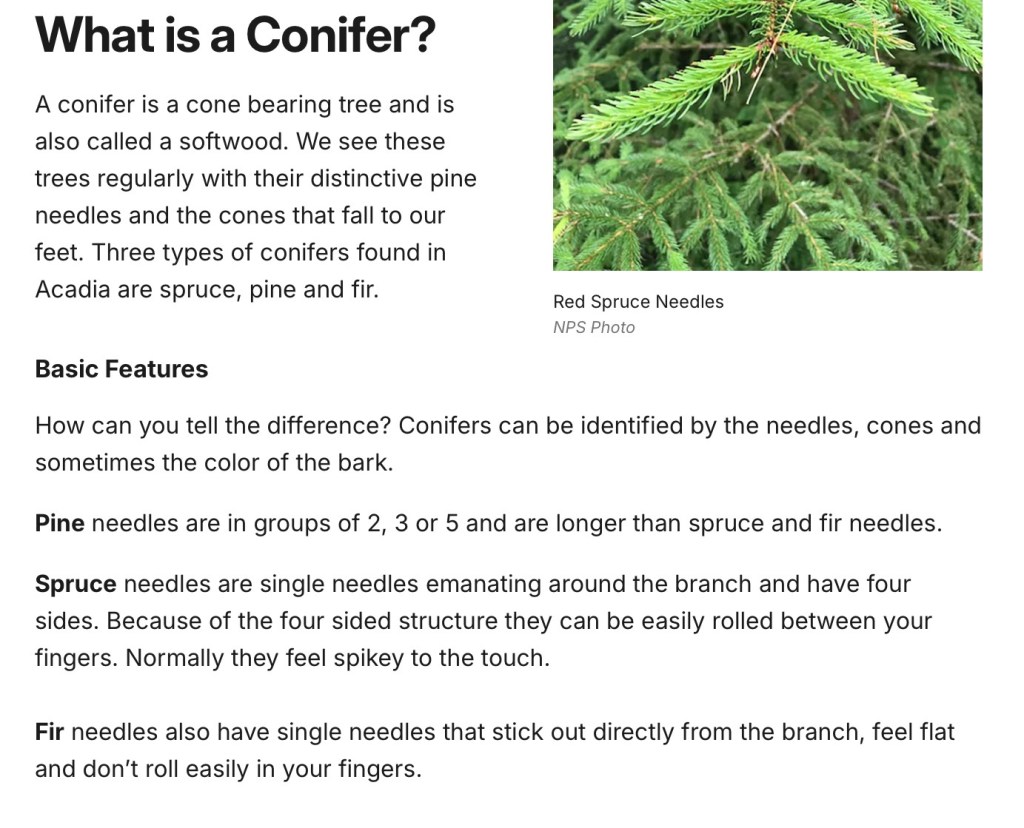
Additionally, pine trees cones have woody, rigid scales while spruce cones have thin, flexible scales.
I will update this all season.
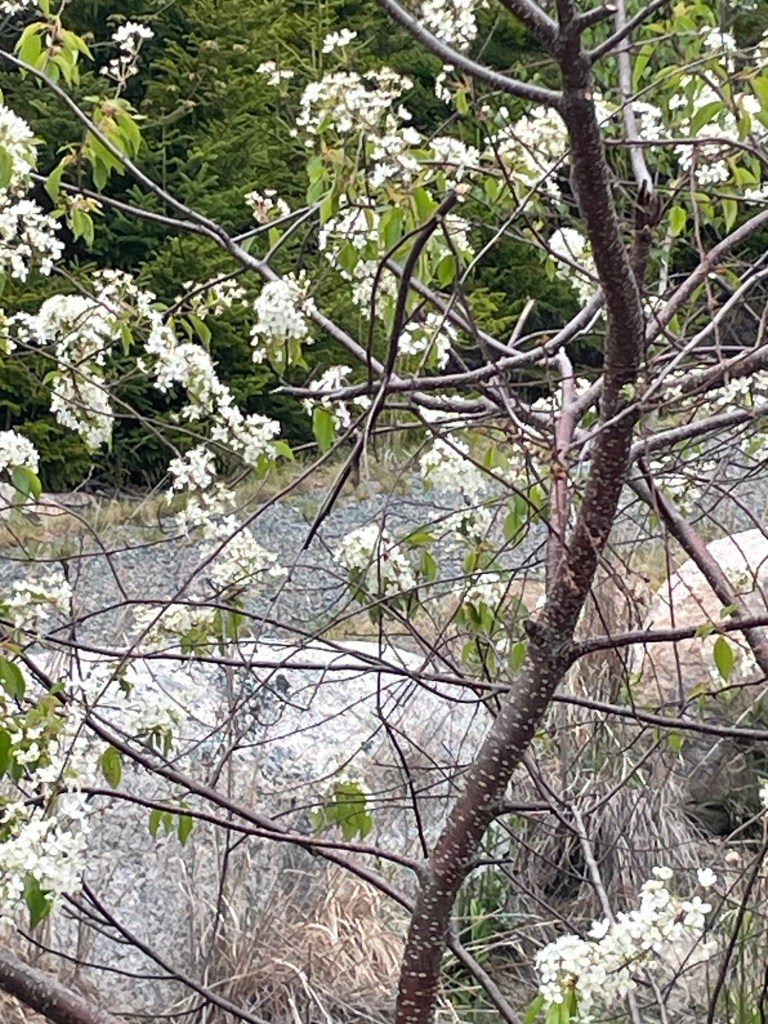
Fire Cherry –
Red Maple – (Acer rubrum)
Recognized by the US Forest Service as the most common deciduous tree in America. Its flowers, petioles, twigs, and seeds are all red to varying degrees. Among these features, however, it is best known for its brilliant deep scarlet foliage in autumn.
In a mature or old-growth northern hardwood forest, red maple only has a sparse presence, while shade-tolerant trees such as sugar maples, beeches and hemlocks thrive.
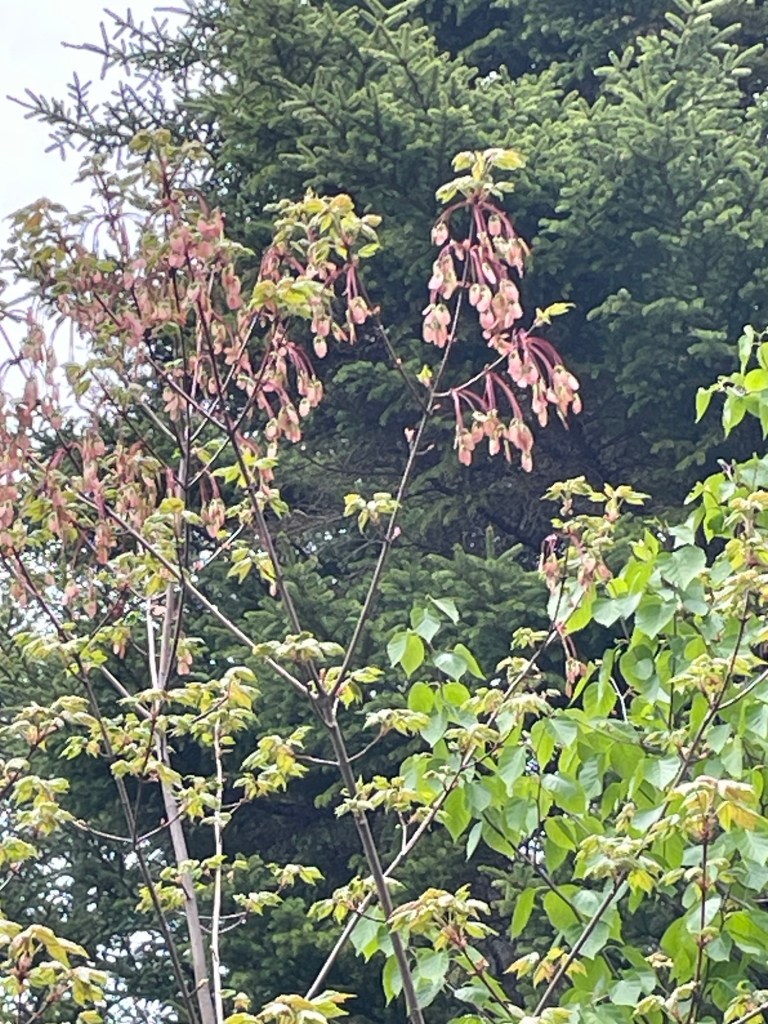
Sugar Maple (Acer saccharum)
Sugar Maples are tapped for maple syrup every winter! This maple is a dense hardwood.
Striped Maple (Acer pensylvanicum)
Striped Maples prefer shade and can be found in the lower story of old growth forests.
Mountain Maple (Acer spicatum)
These are small statured, bush like maples.
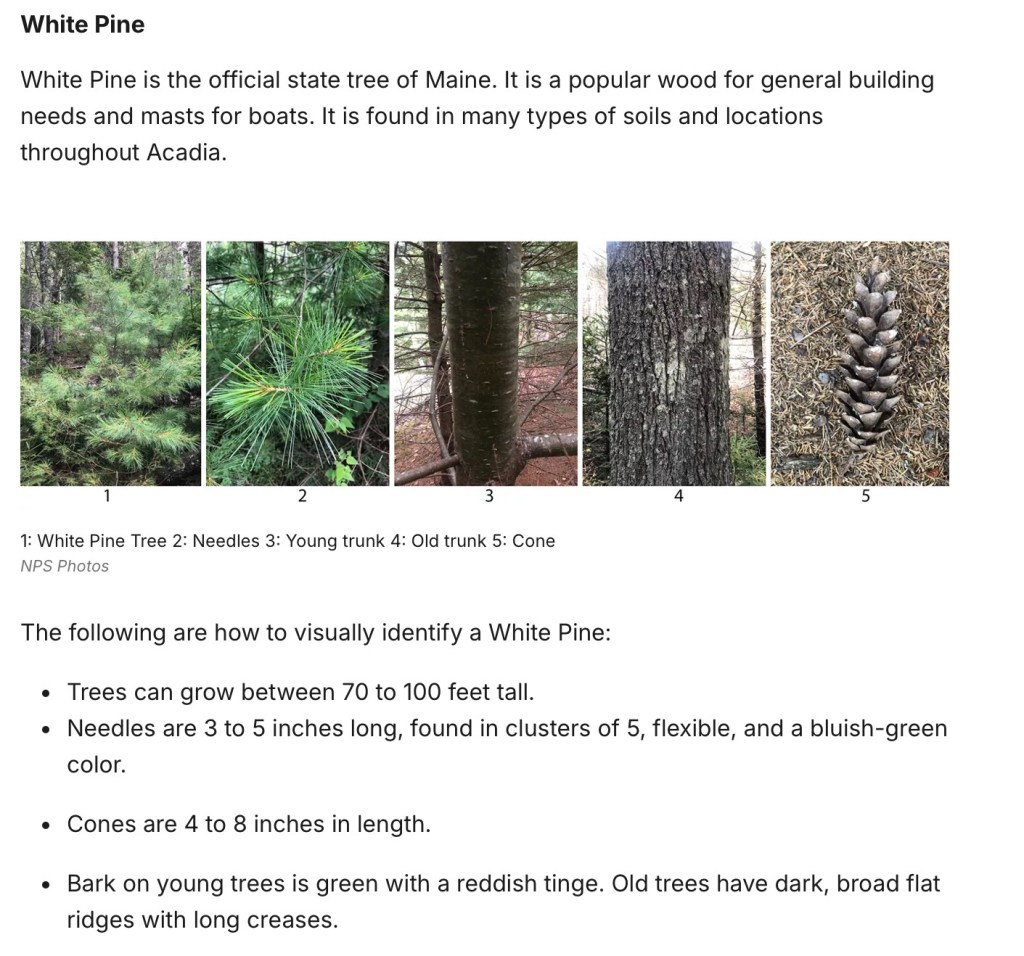
Eastern White Pine – (Pinus strobus)
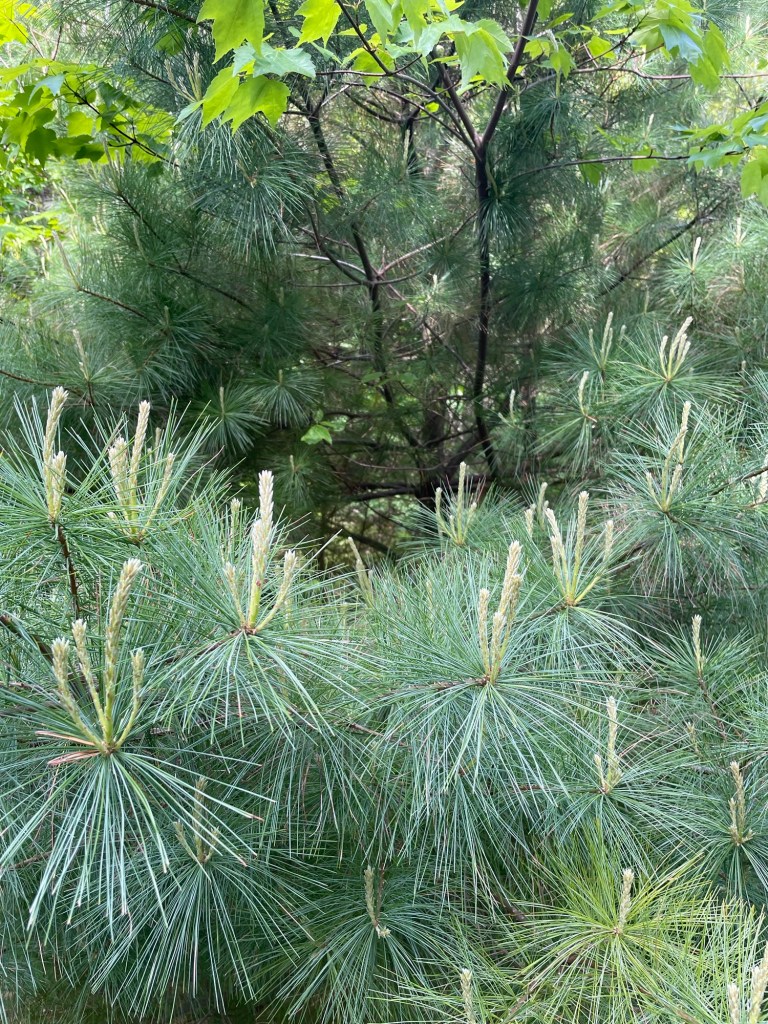
Easy ID trick: White Pines branches are spaced about 18″ apart going up the tree trunk, with 5 or 6 branches at each level arranged like the spokes of a wagon wheel!
Jack Pine – (Pinus banksiana)
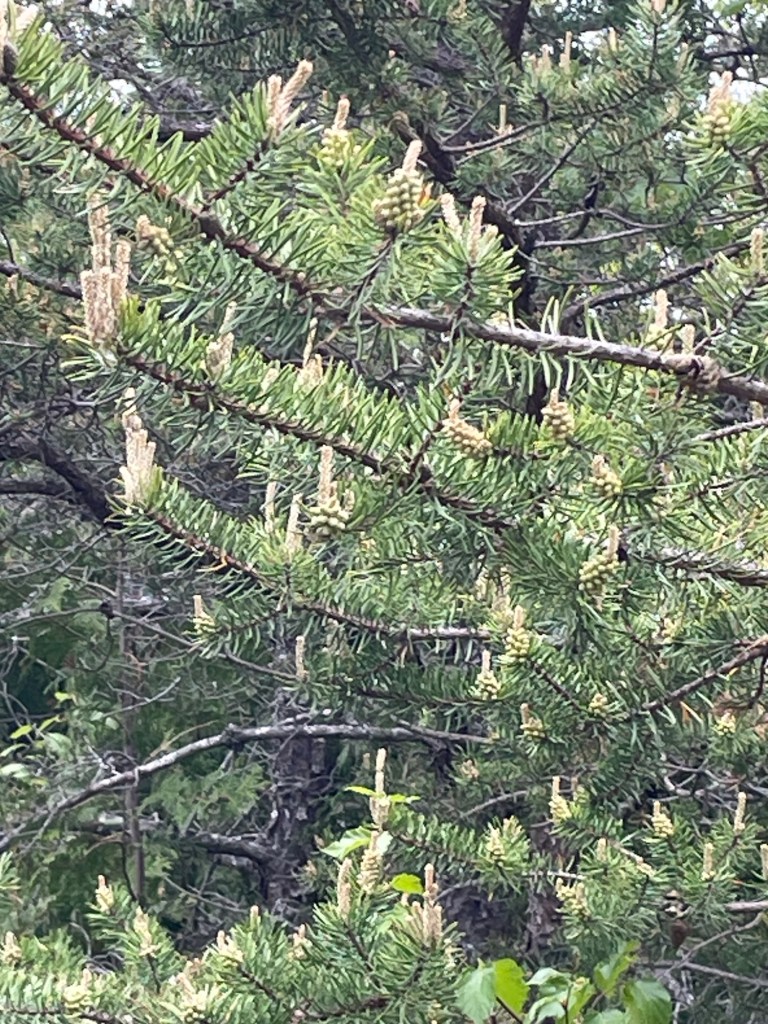
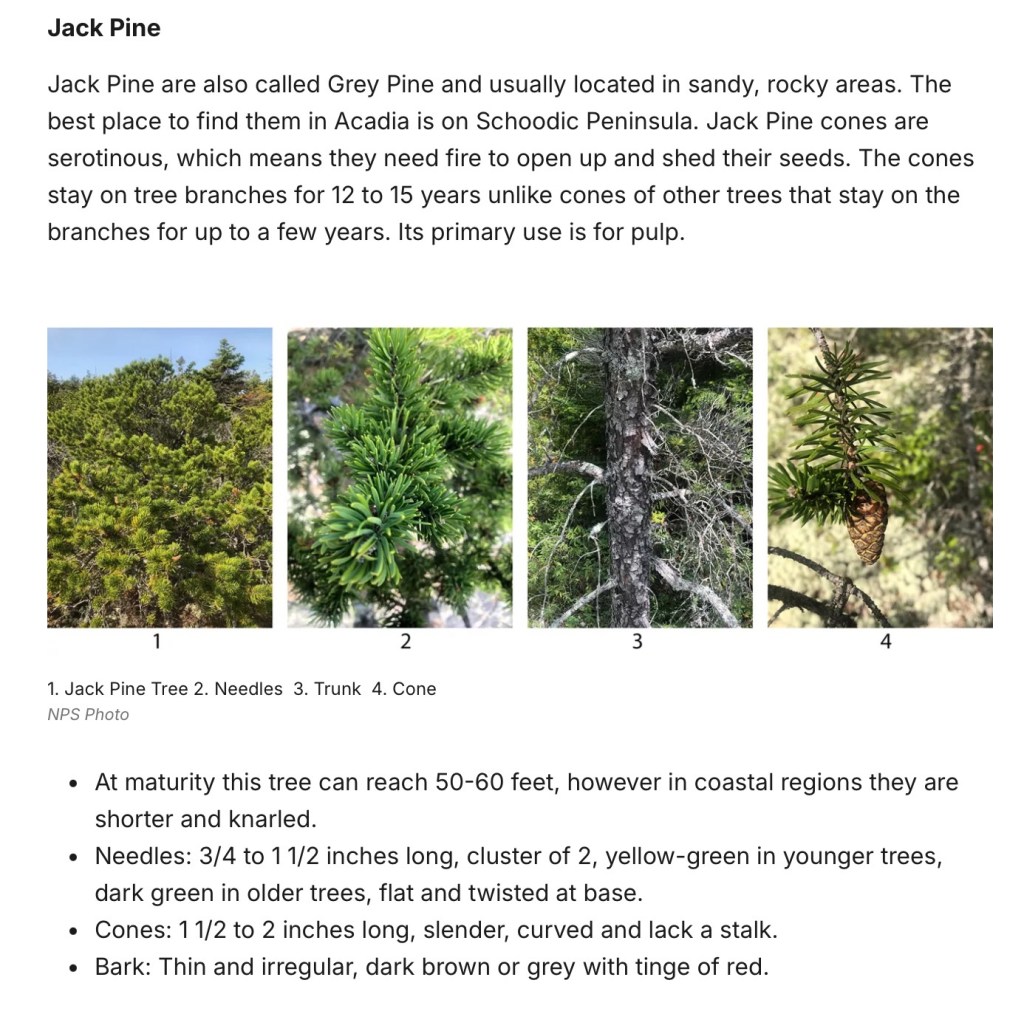
Pitch Pine –
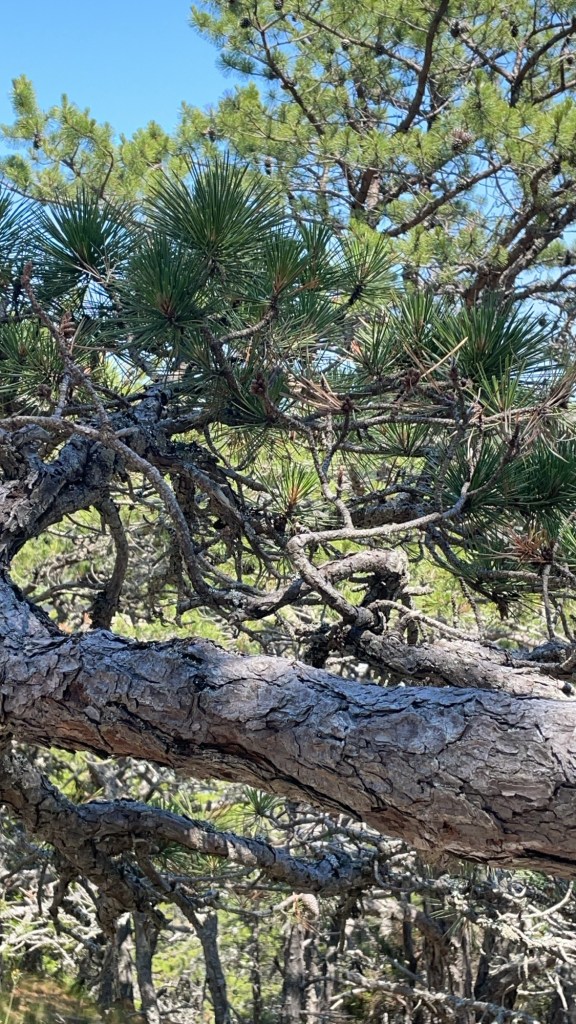
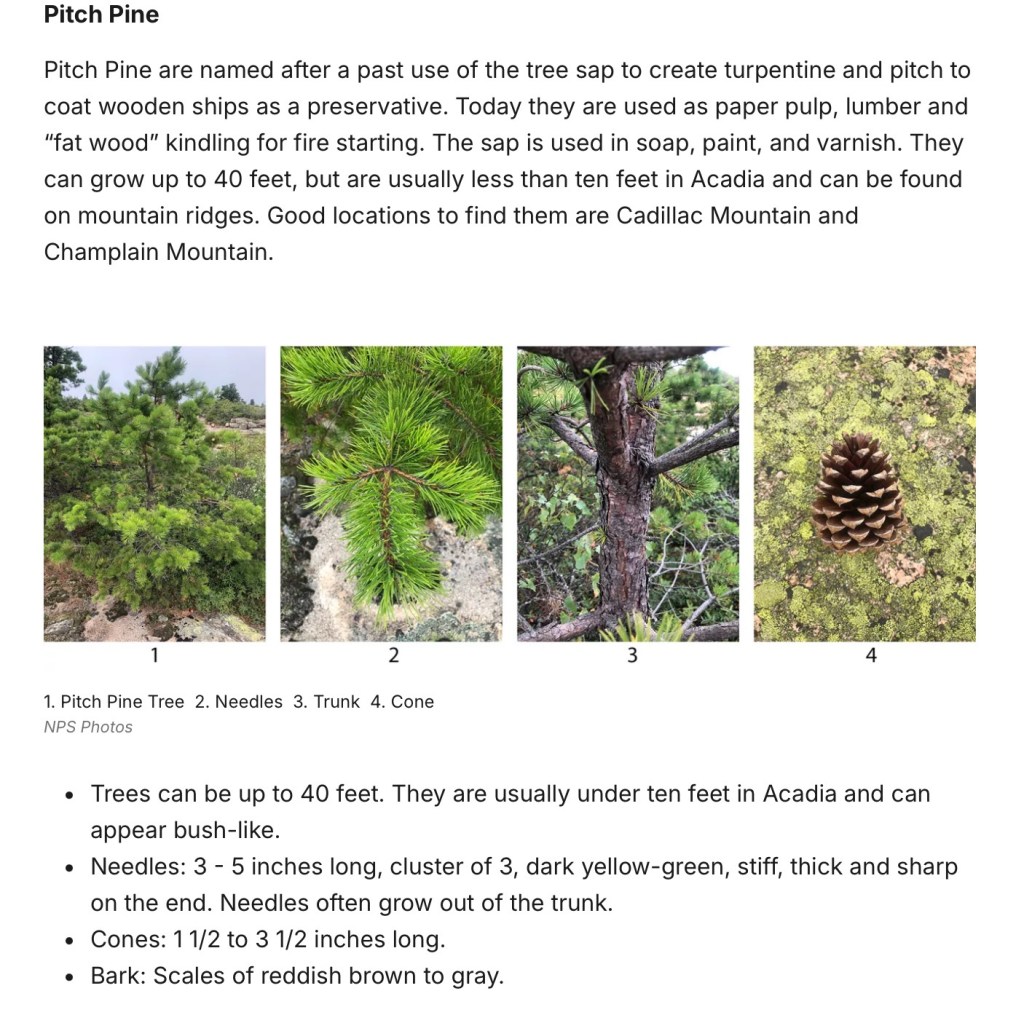
Scotch Pine – (Pinus sylvestris)
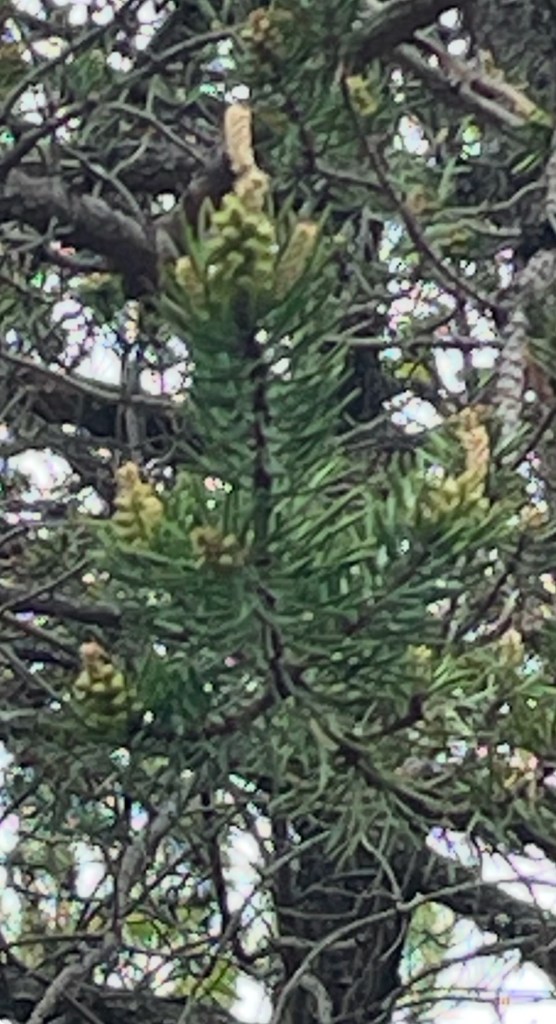
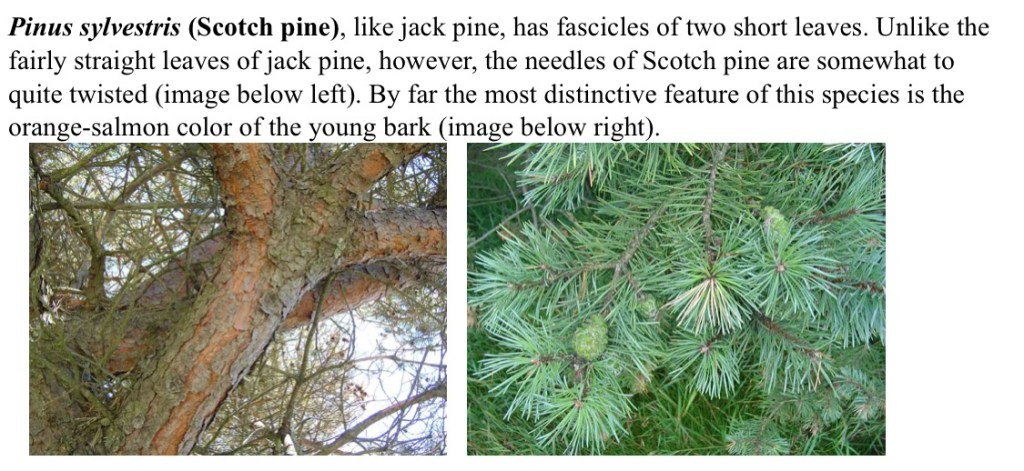
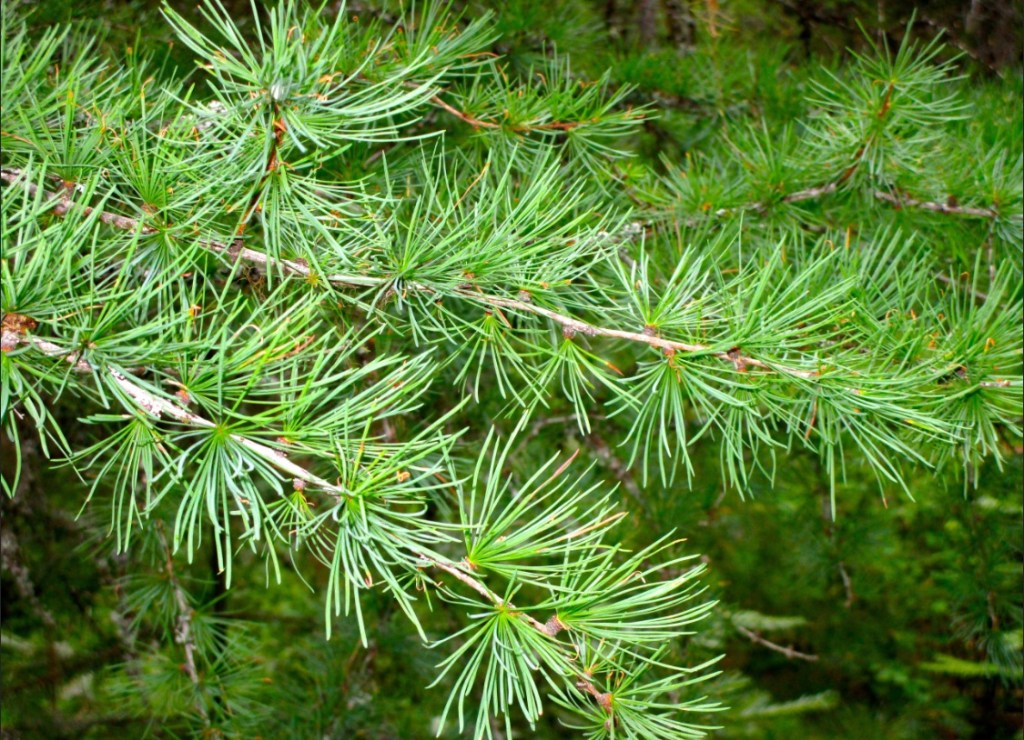
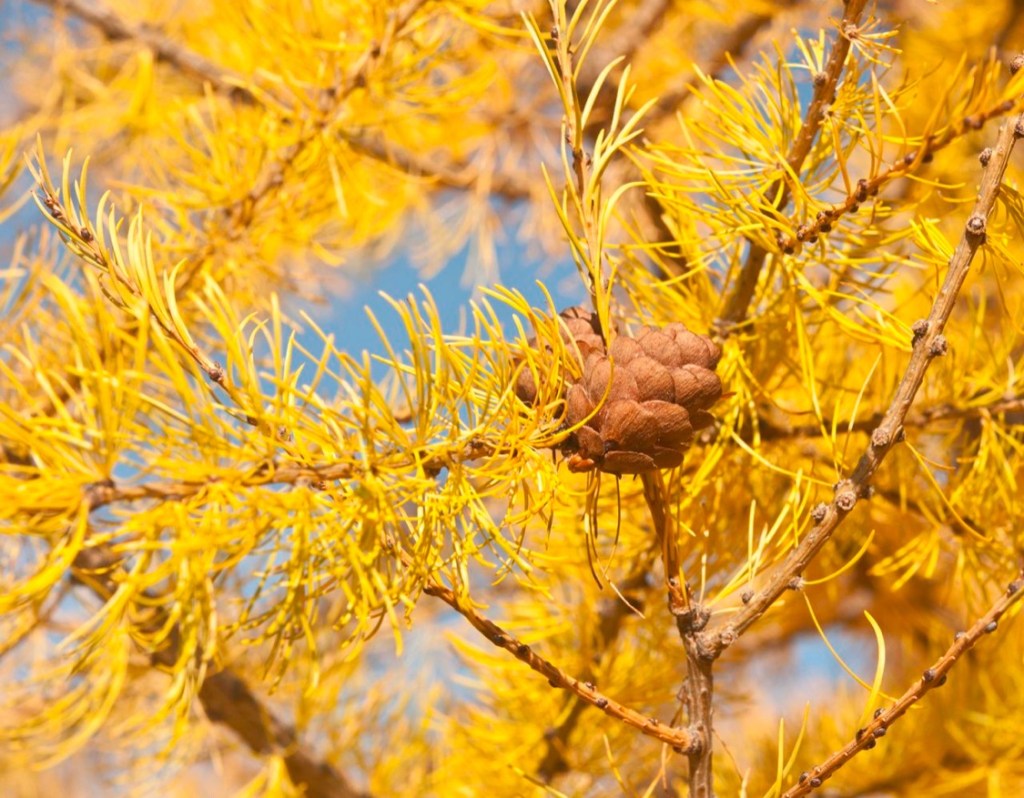
Tamarack -(Larix laricina)
The only Maine softwood that loses all its needles every fall. It’s short clusters of needles surround the branch with gaps between each cluster. The needles turn bright yellow in the fall before dropping.
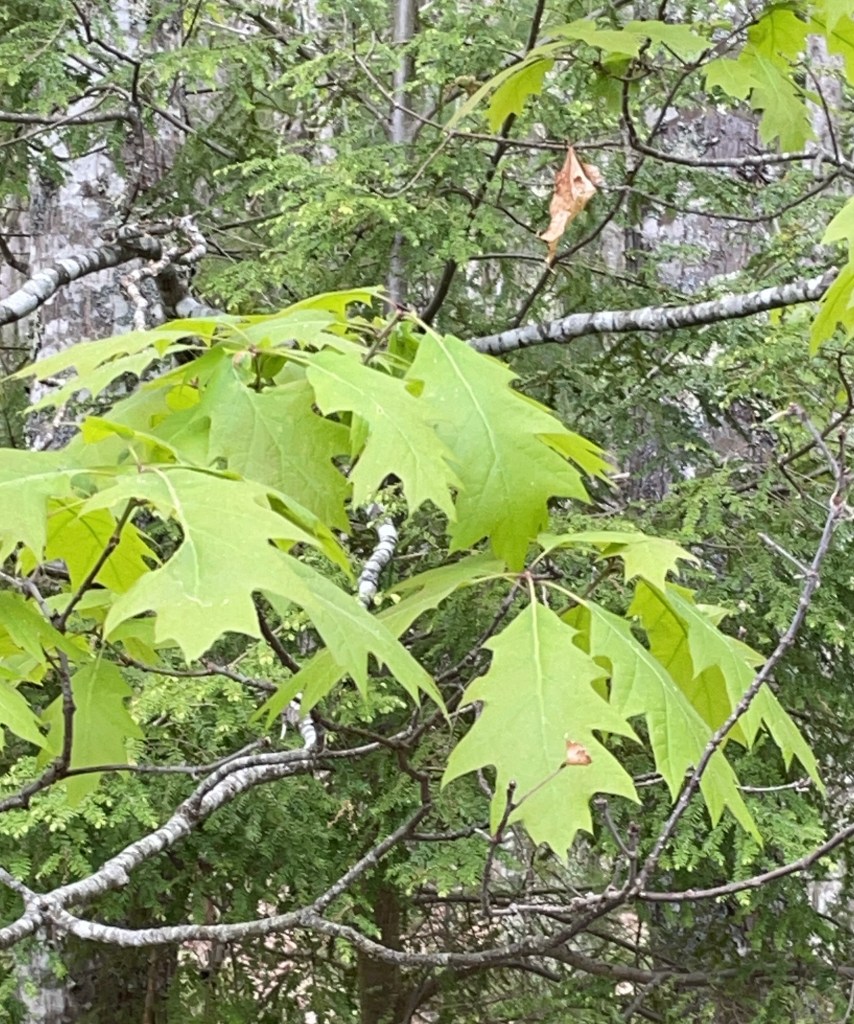
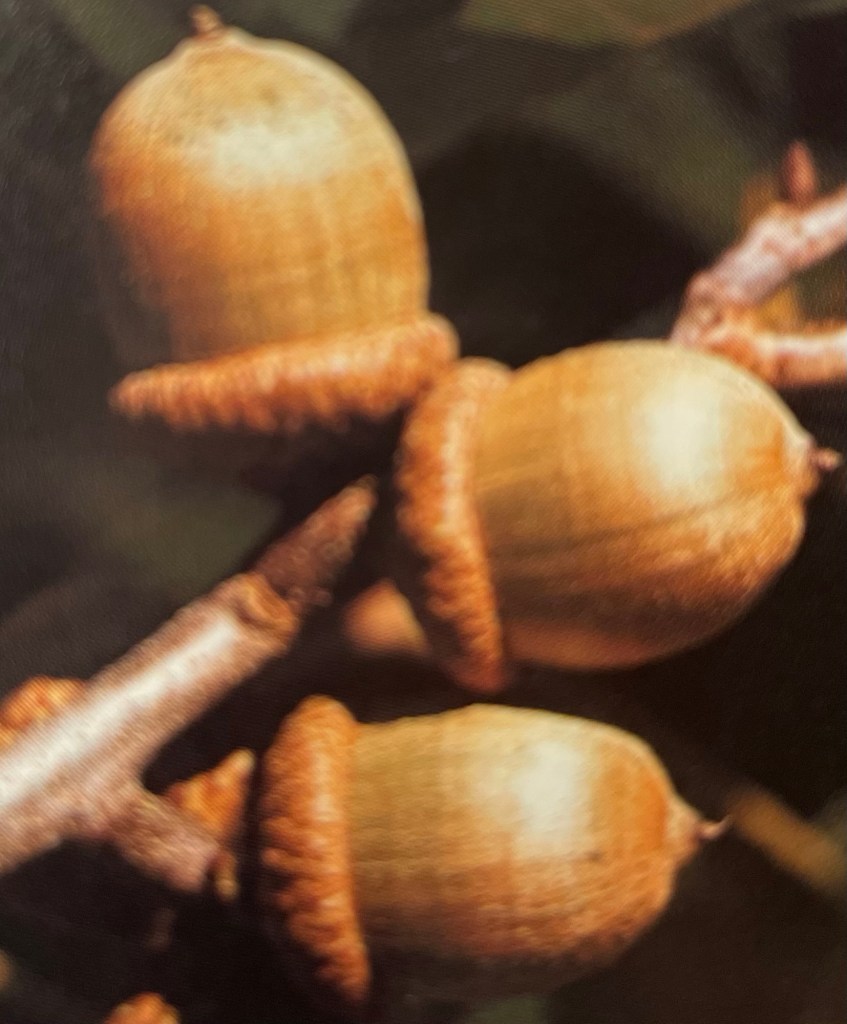
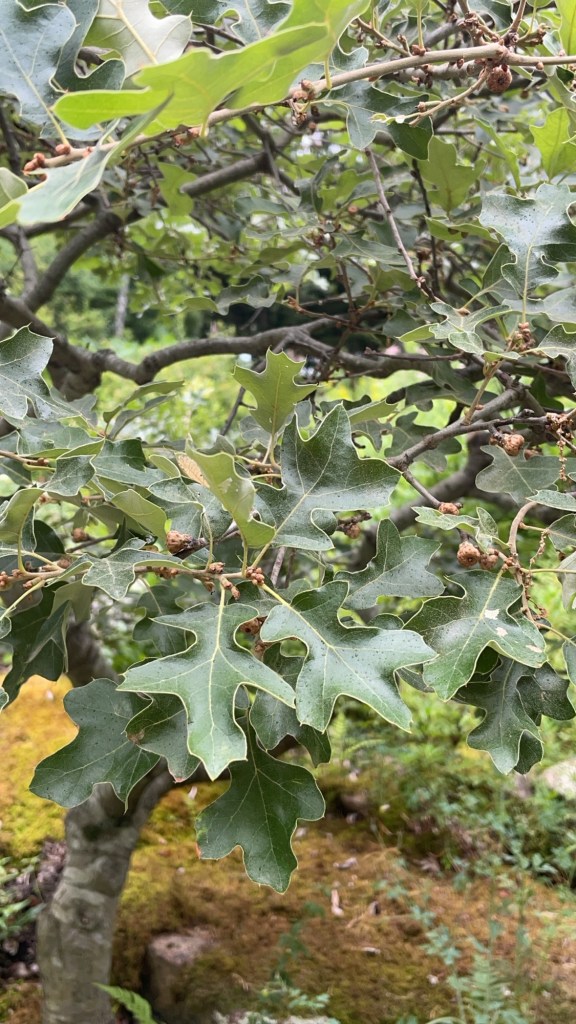
Northern Red Oak – (Quercus rubra)
Northern red oak is easy to recognize by its bark, which features ridges that appear to have shiny stripes down the center. The bark is light gray with furrows running down the length of the trunk. Oak acorns take two years to ripen and fall.
Yellow Birch – (Betula alleghaniensis)
Known as the yellow birch, golden birch, or swamp birch, it is a large species of birch native to northeastern North America. Its common names refer to the golden color of the tree’s bark. In the past its scientific name was Betula lutea, the yellow birch. Yellow birch is long-lived, typically 150 years and some old growth forest specimens may last for 300 years.
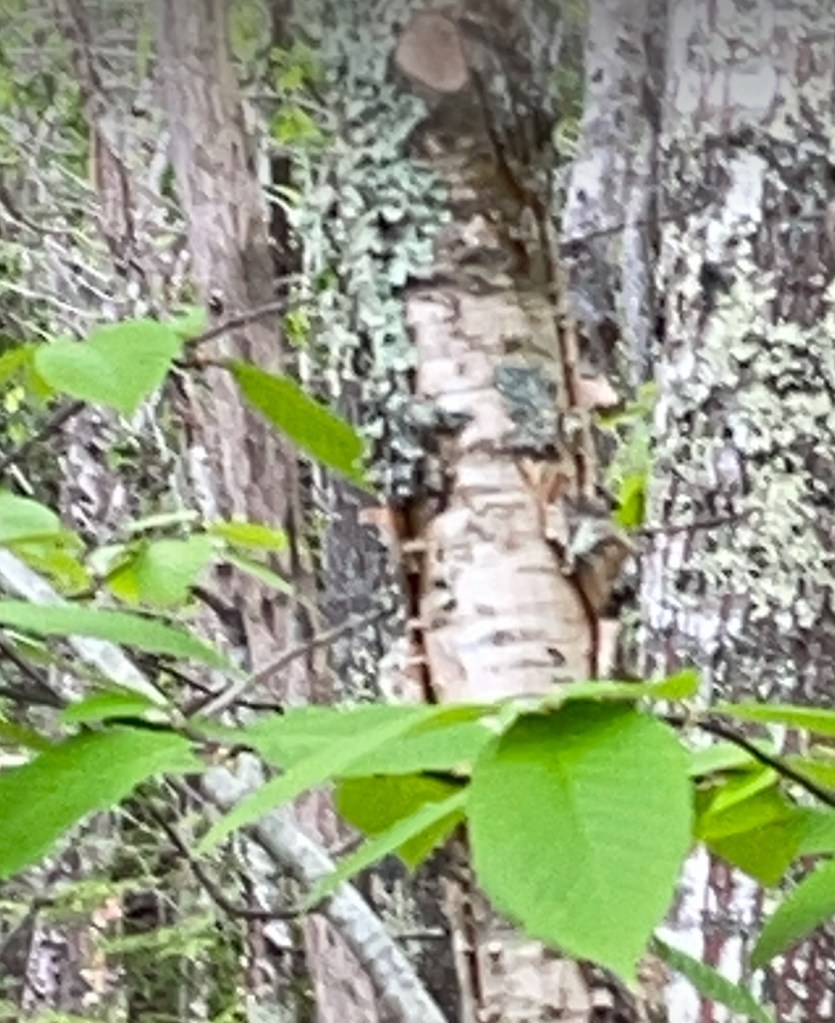
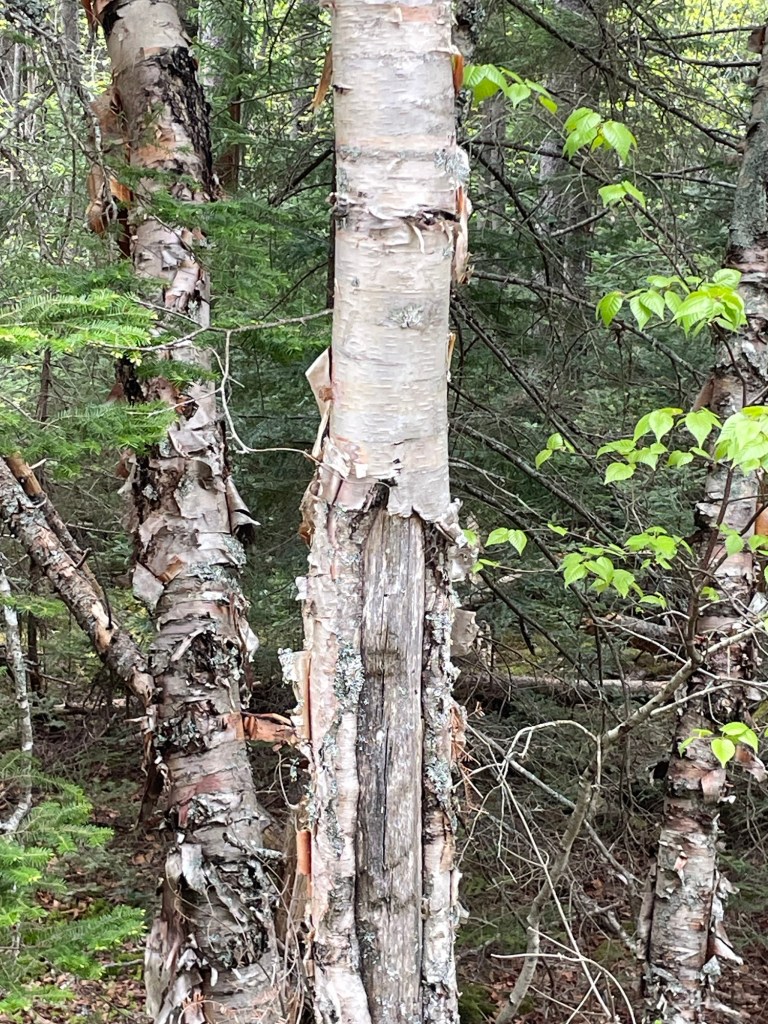
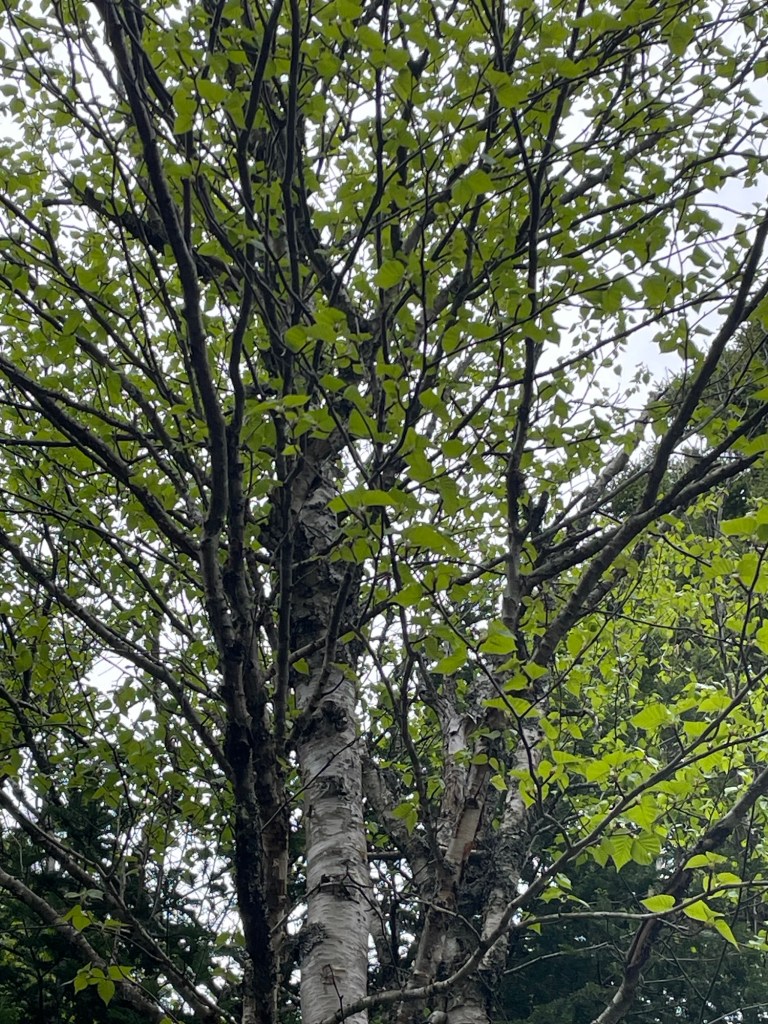
Birch: Common, White, or Paper (Betula papyrifera)
This birch, also known as canoe birch, is a short-lived species (30 years) native to northern North America. Paper birch is named after the tree’s thin white bark, which often peels in paper-like layers from the trunk. Paper birch is often one of the first species to colonize a burned area within the northern latitudes, and is an important species for MOOSE browsing!
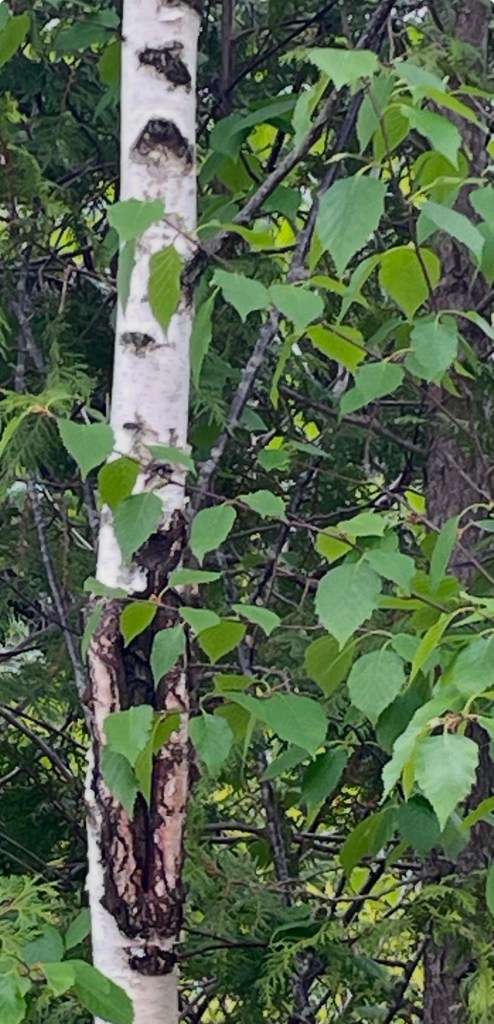
Heart Leaf Birch – (Betula cordifolia)
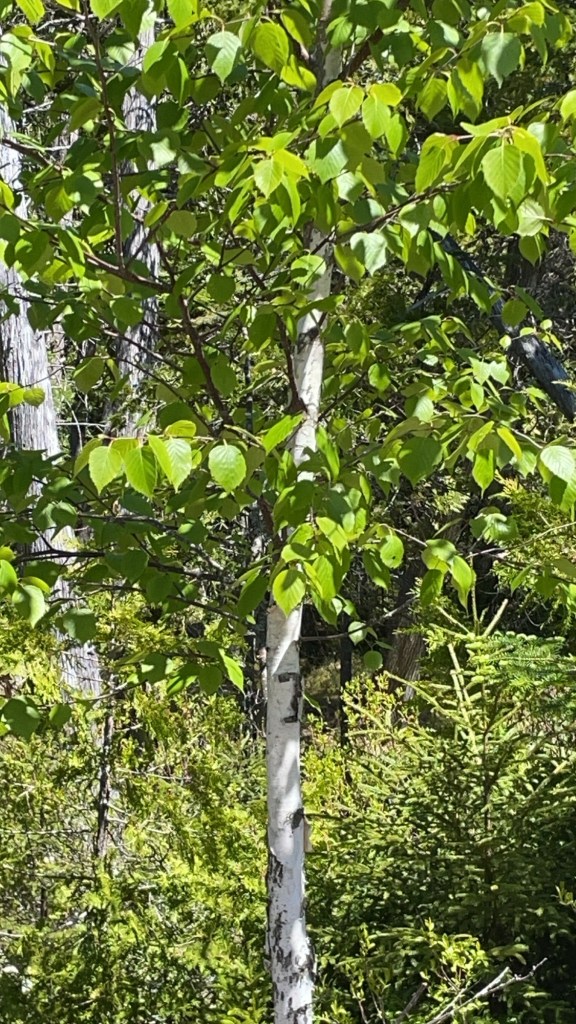
Quaking Aspen – (Populous tremuloides)
Flat leaves attach to branches with lengthy stalks called petioles, which quake or tremble in light breezes. The white bark is one identifying characteristic of this tree, but the bark is special for more than just its unique appearance. The bark layer of quaking aspens carries out photosynthesis, a task usually reserved for tree leaves. So it produces sugar for energy all winter!
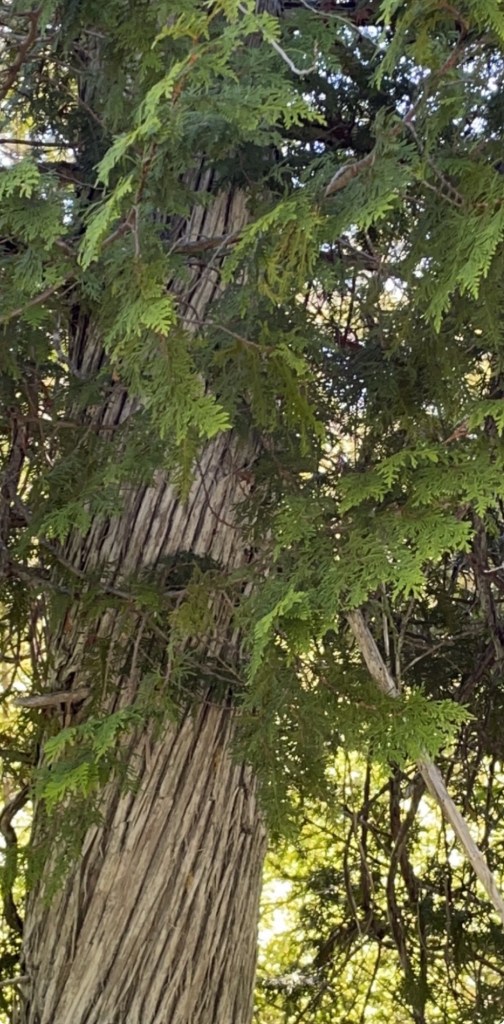
Northern White Cedar – (Thuja occidentalis)
White cedars bark is wild, it looks like it’s been twisted! This is an evergreen, coniferous tree. It has flat scale-like leaves, and drooping branches.
Green Alder – ( Alnus alnobetula)
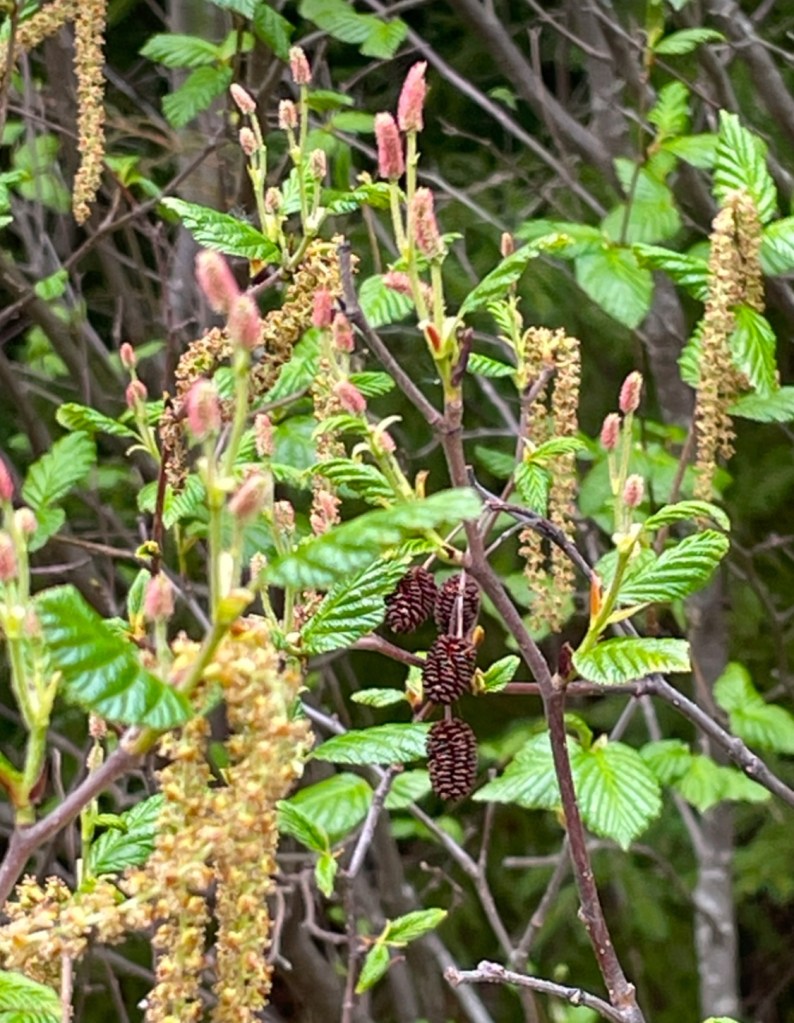
One way to differentiate the Green Alder is that its flowers are catkins which appear late in spring after the leaves emerge (unlike other alders which flower before leafing out).
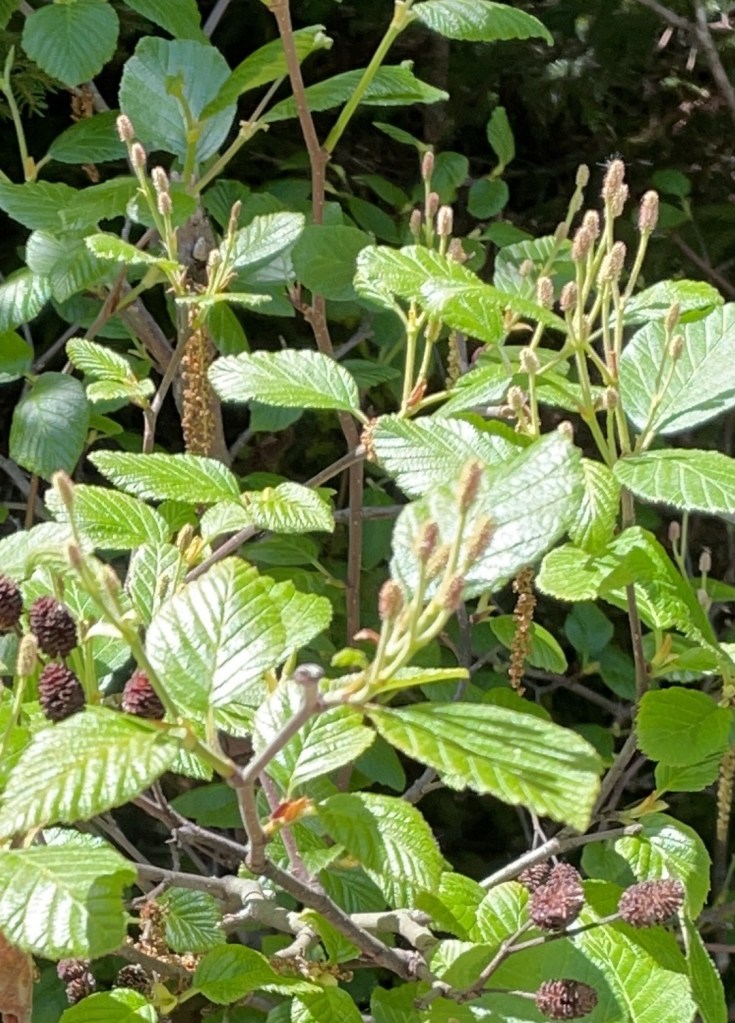
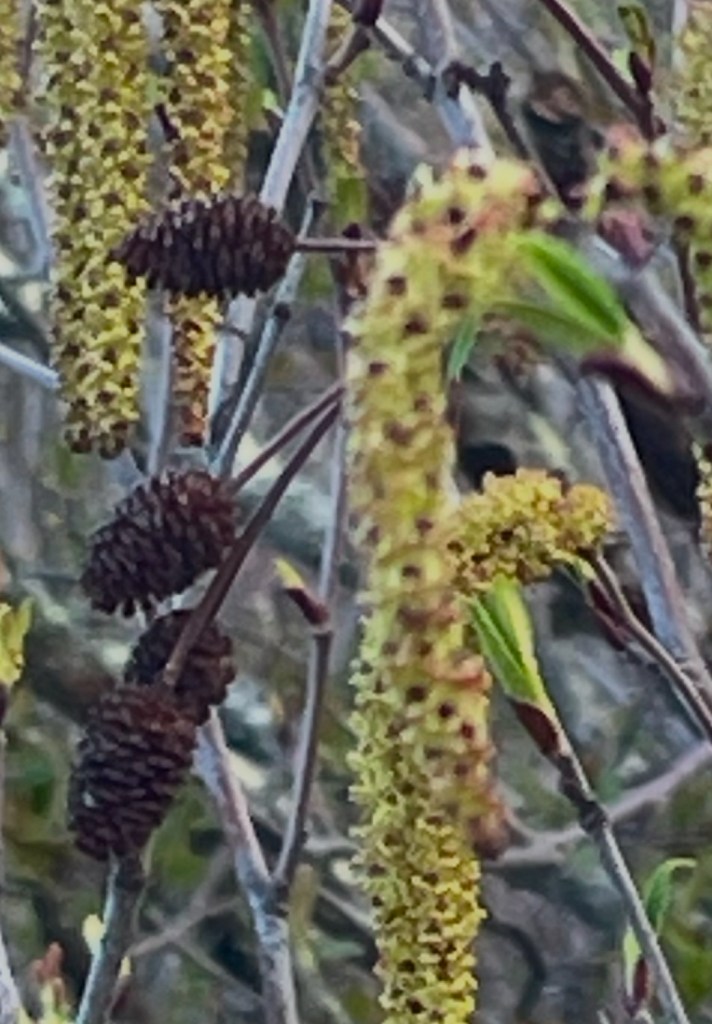
Speckled Alder – (Alnus incana)
Red Spruce – (Picea rubens)
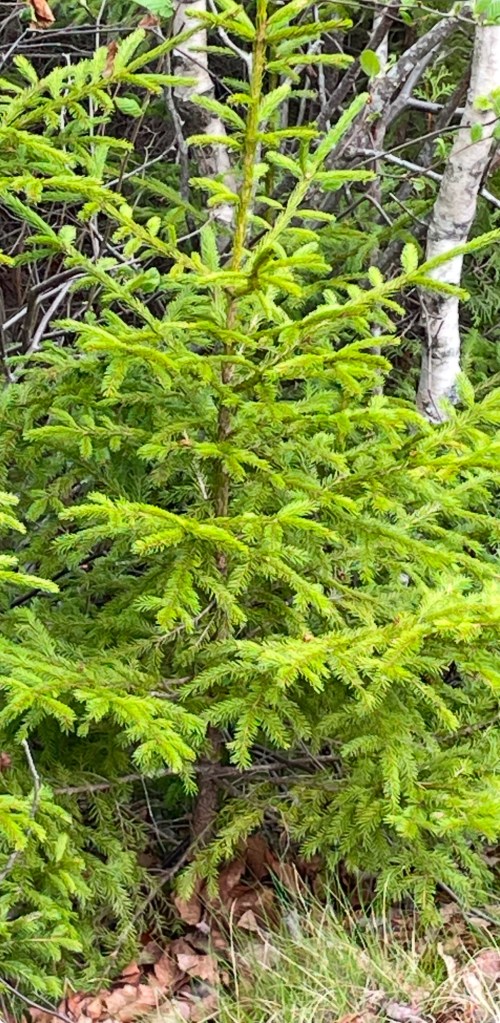
Red Spruce branches are dark reddish in color & hairy. Their cones are short and fat.
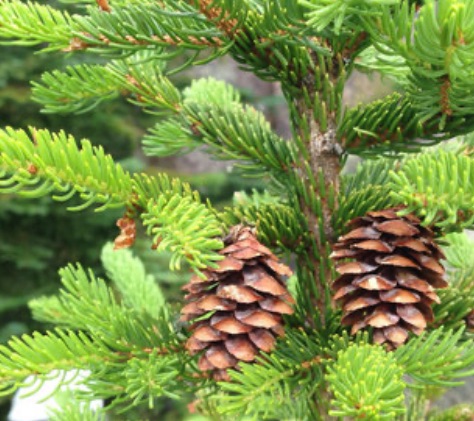
White Spruce
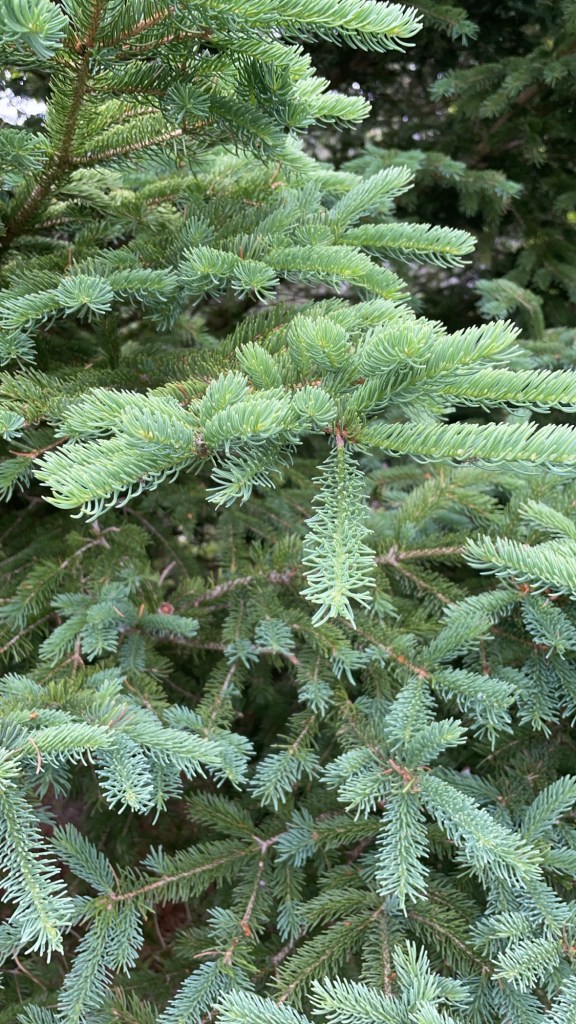
White Spruce branches are pale, tannish and non-hairy. It’s needles tend to be light bluegreenish in color. Their cones are long and narrow.
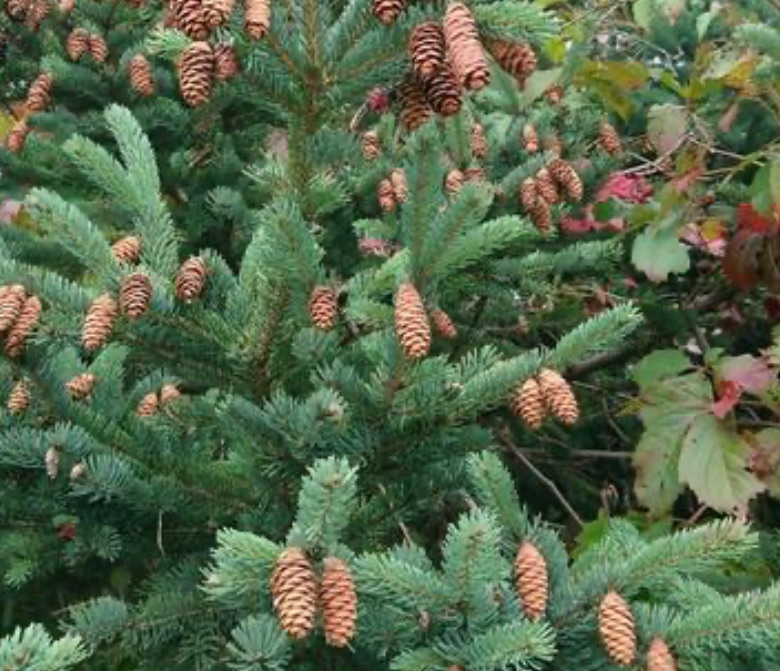
Black Spruce
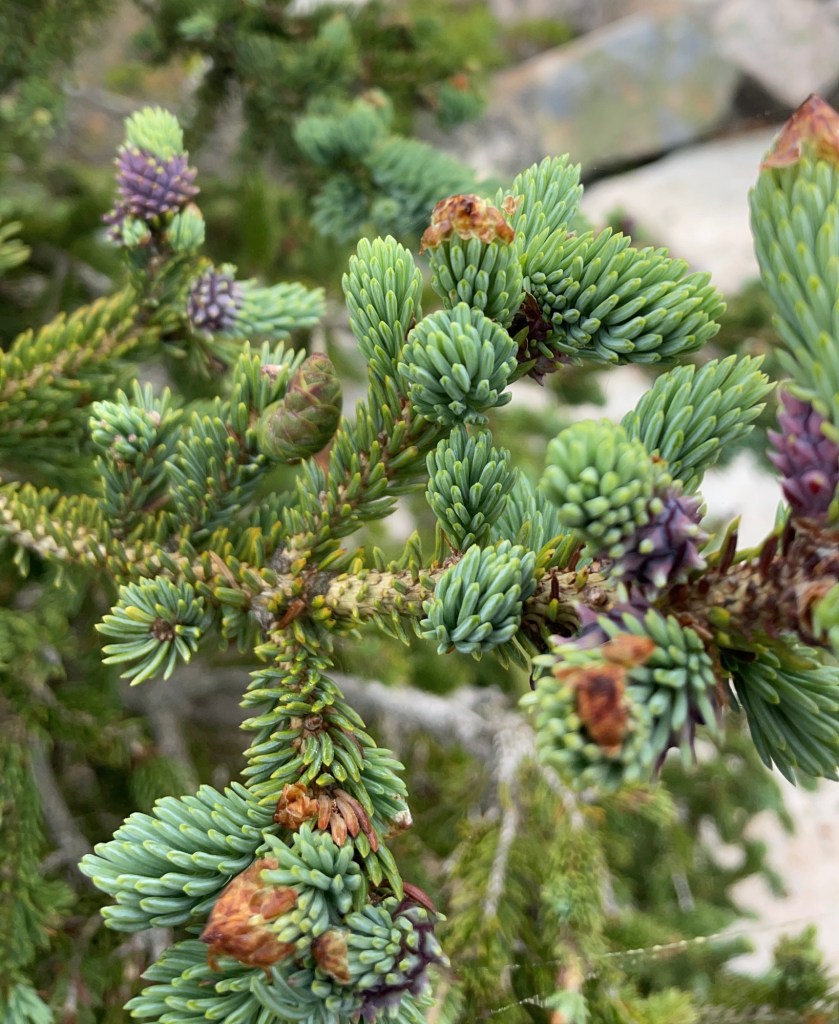
A slow-growing, small upright evergreenconiferoustree (rarely a shrub), having a straight trunk with little taper, a scruffy habit, and a narrow, pointed crown of short, compact, drooping branches with upturned tips.
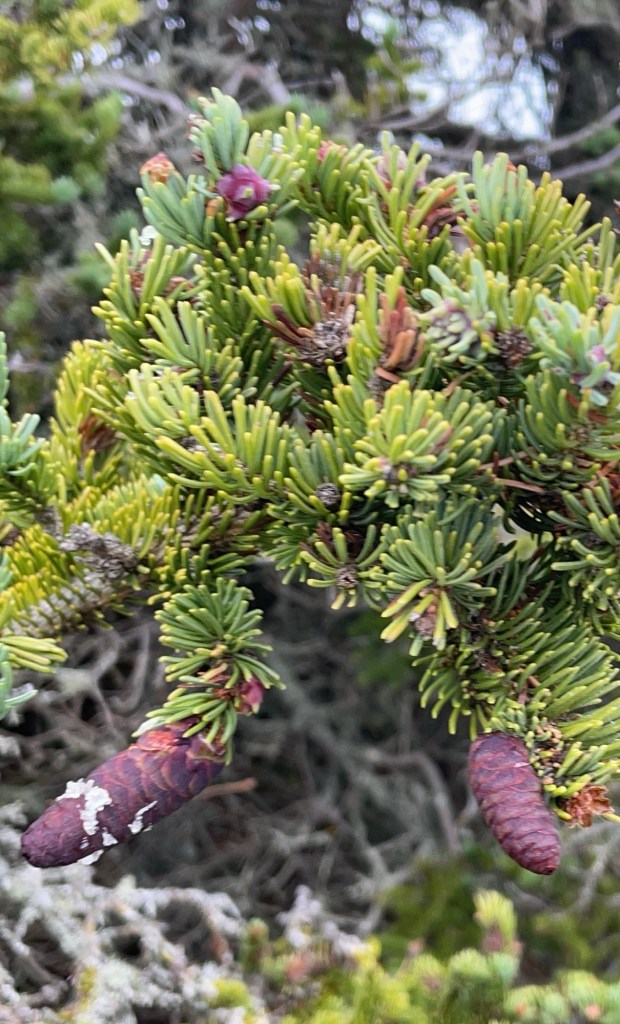
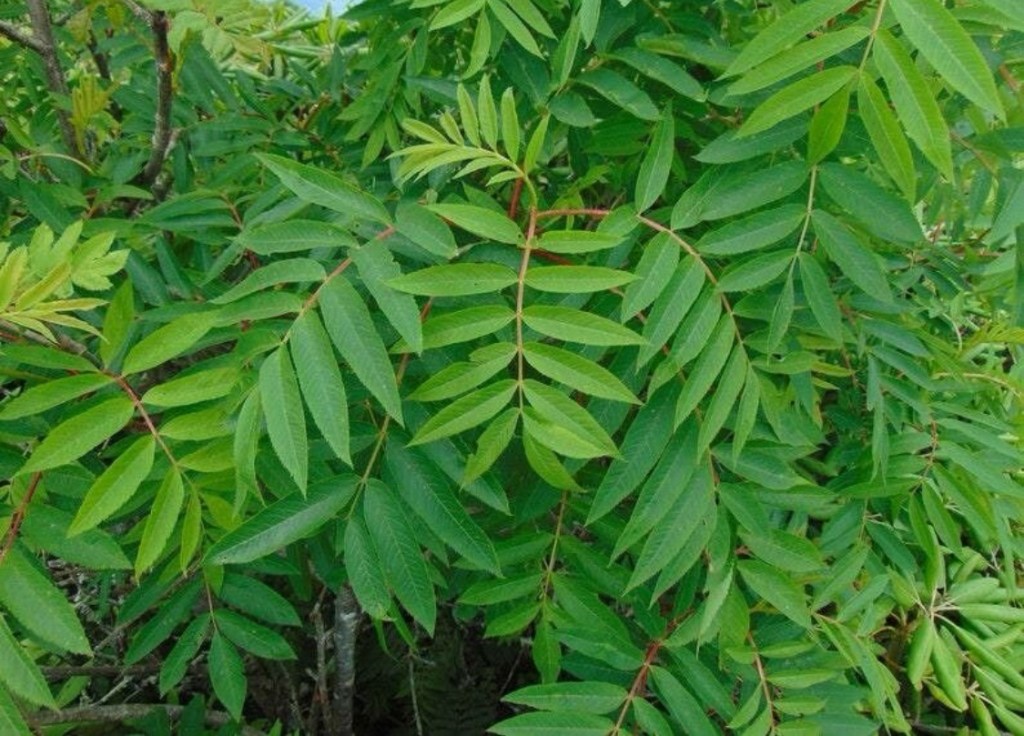
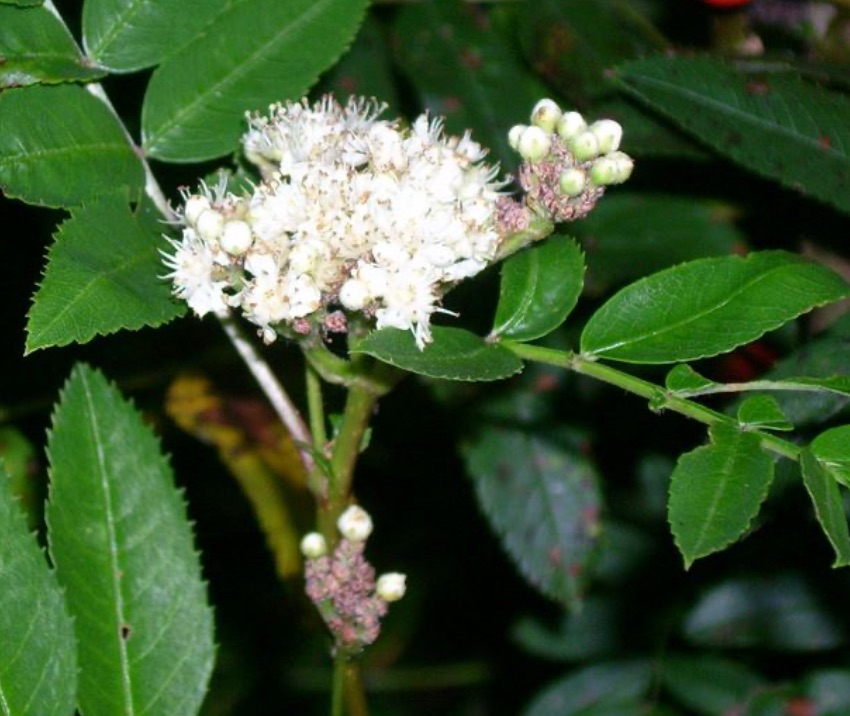
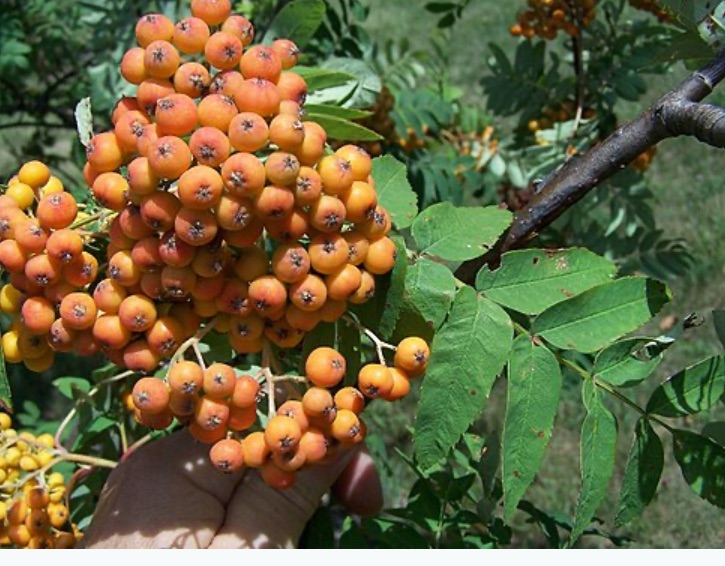
Mountain Ash – (Sorbus americana)
A small deciduous tree, mountain ash prefers damp soils. It has small white flowers May – June, and reddish berries that ripen in late summer.
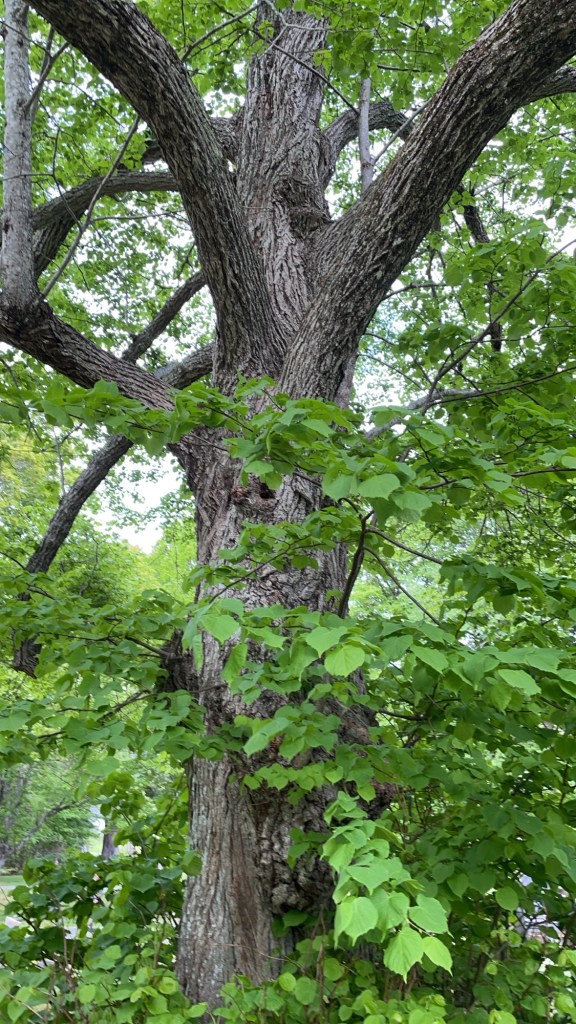
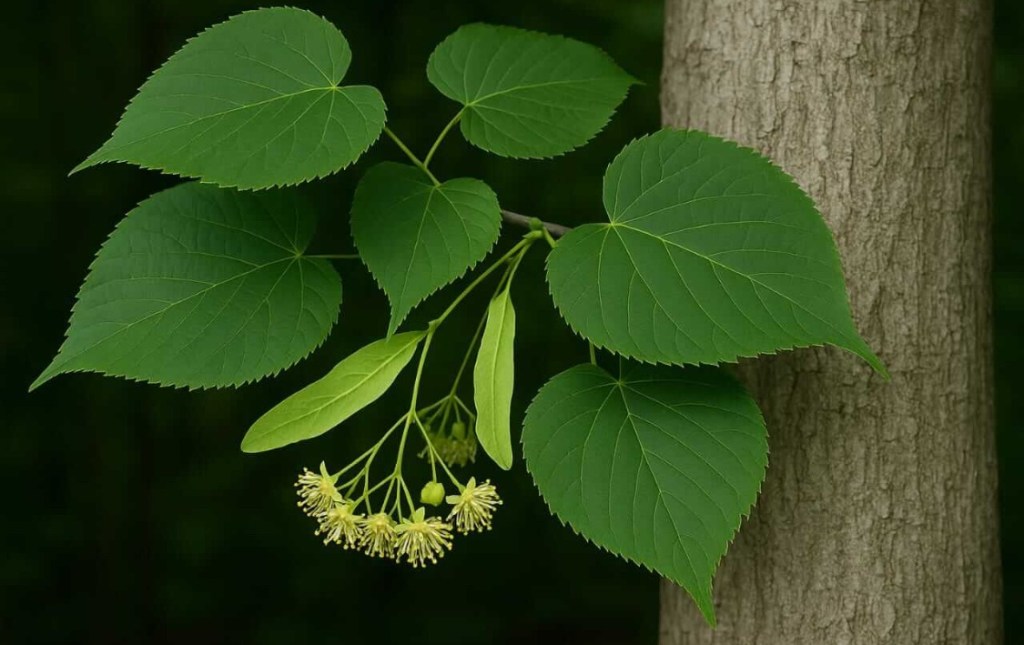
Basswood – (Tilia platyphyllos)
Basswood (or Linden) is a native tree whose foliage and flowers are both edible, though the tender young leaves are more palatable. It is a beneficial species for attracting pollinators as well. Bees produce excellent honey with a mildly spicy flavor from its blossoms.
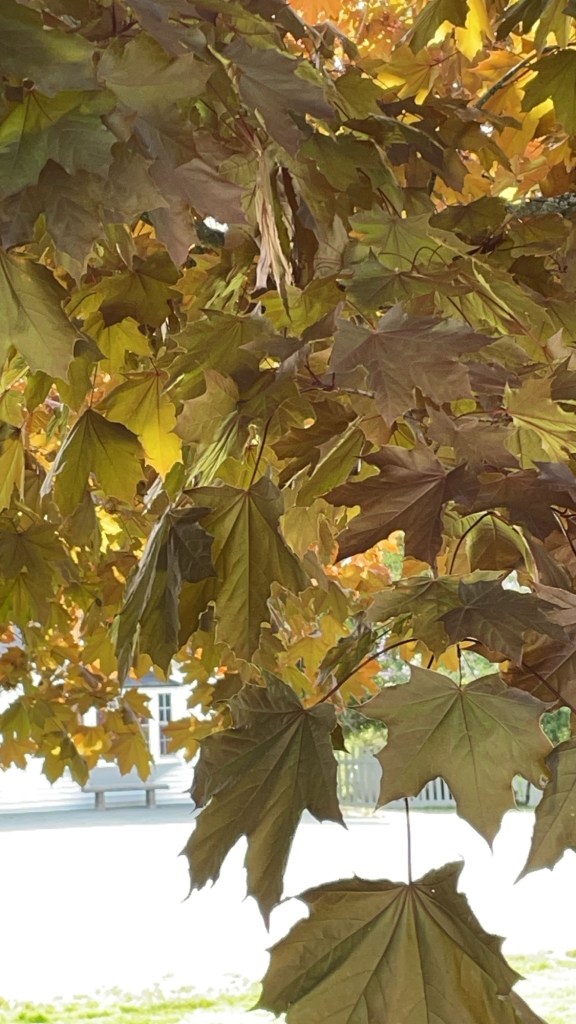
Norway Maple (Acer platanoides)
This non-native species has escaped urban settings and now its aggressive propagation has rendered it an unwanted invasive species.
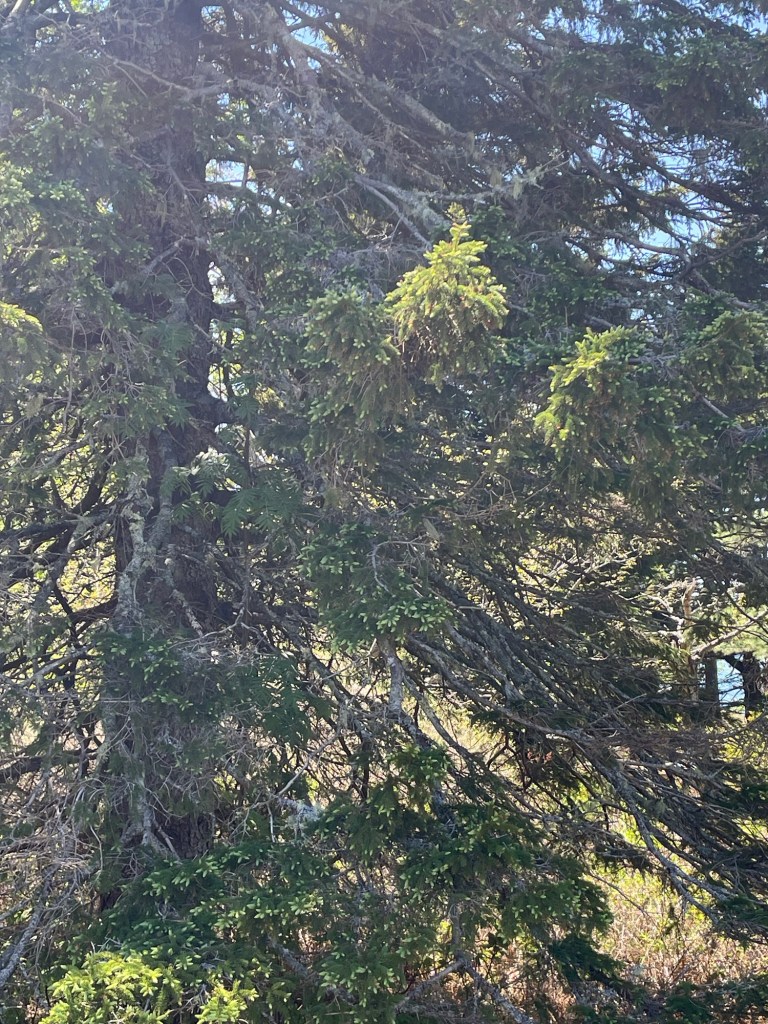
Norway Spruce (Pica abies)
These are non-native trees. Branches on larger trees tend to droop then sweep upwards. Lateral branches are long and hand down pendulously. Cones are 4-7″ long with stiff notched scales.
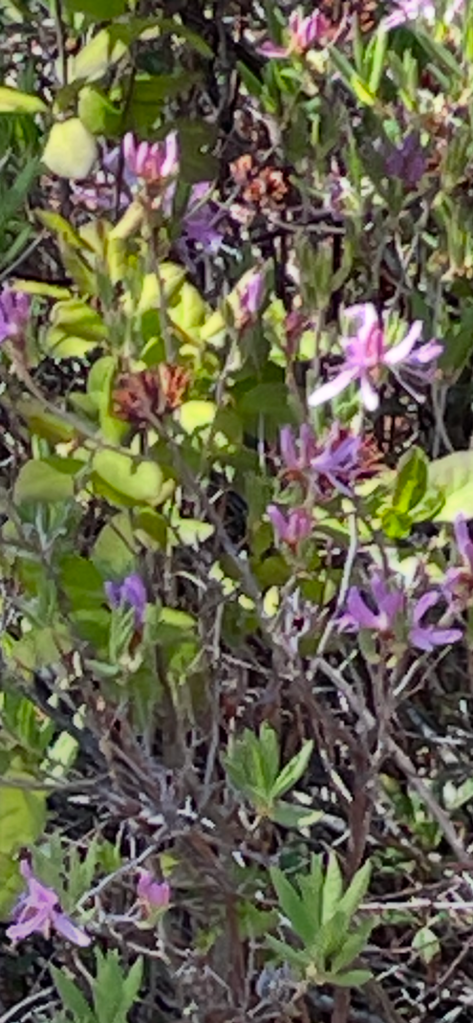
Rhodora -(Rhododendron canadese)
It retains the name “rhododendron” but it is actually in the Heath family. It blooms in May – early June. Rhodora can always be identified by its bluish green leaves and presence of a light coating of down on its young stems and leaves. The fruit ripens to a hard ridged capsule that splits open laterally allowing the autumn and winter winds to disperse the dust like seed.