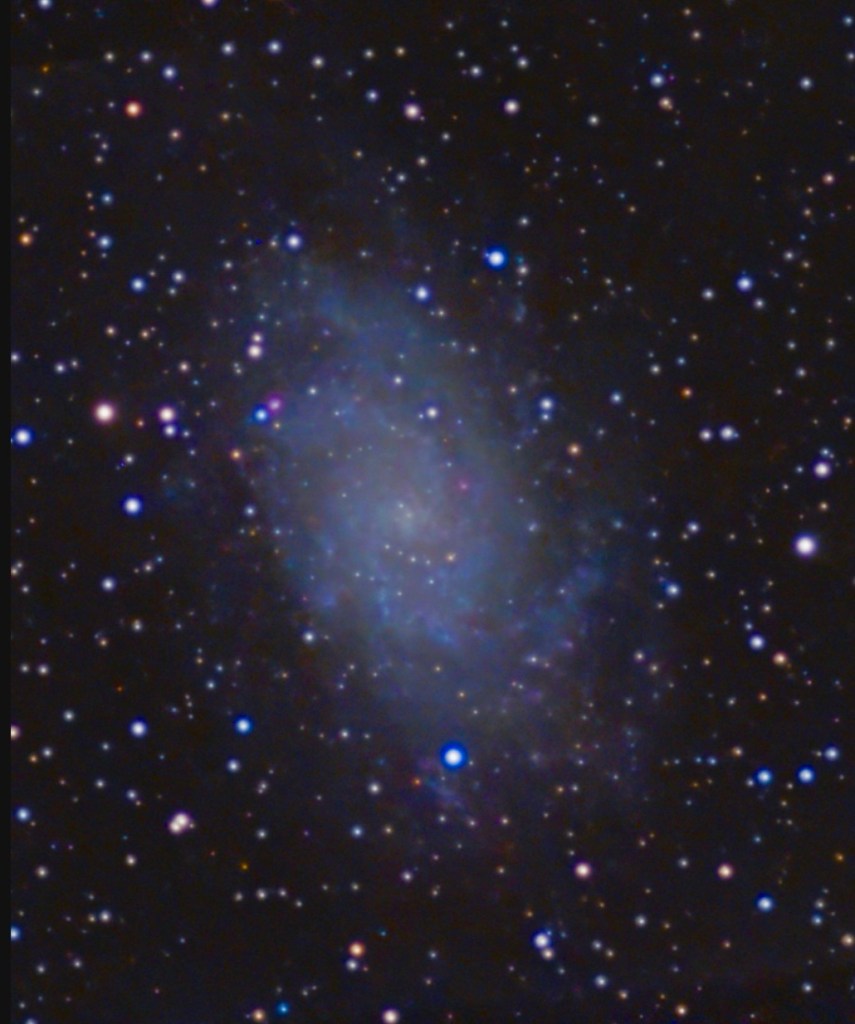
Exploring the universe with our DwarfMini telescope! This post will be updated frequently, hopefully with the images I capture of the wonders of Space – the Final Frontier!!!

Stargazers frequently rate sky conditions – light pollution, haze, etcetera – by describing the dimmest star they can see. An easy test rating viewing conditions uses the bowl of the Little Dipper! Those four stars have magnitudes of approximately 2, 3, 4, & 5.
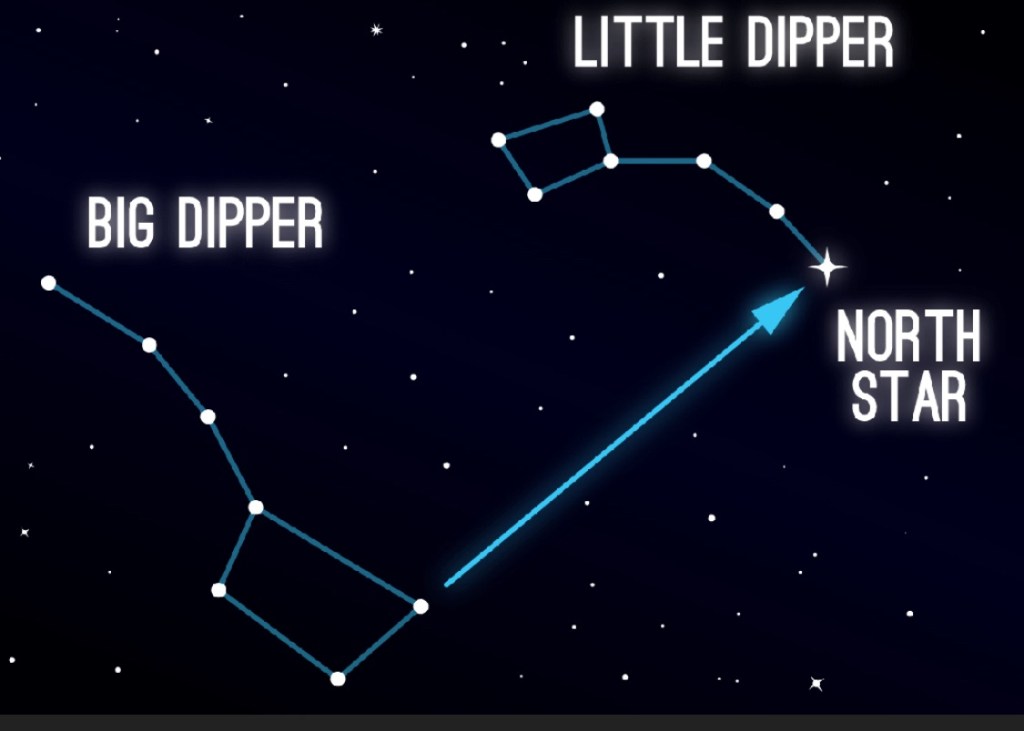
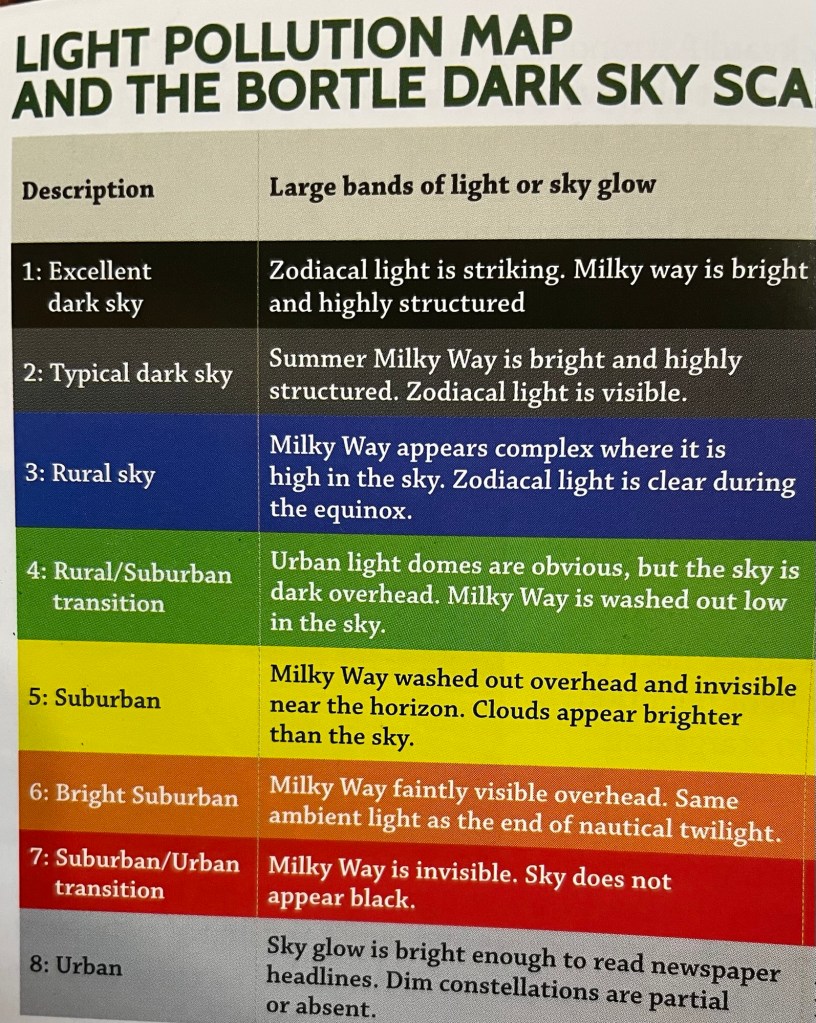
If you can see all four stars clearly then you likely have what is known as Bortle 1 or 2 conditions (practically perfect!).
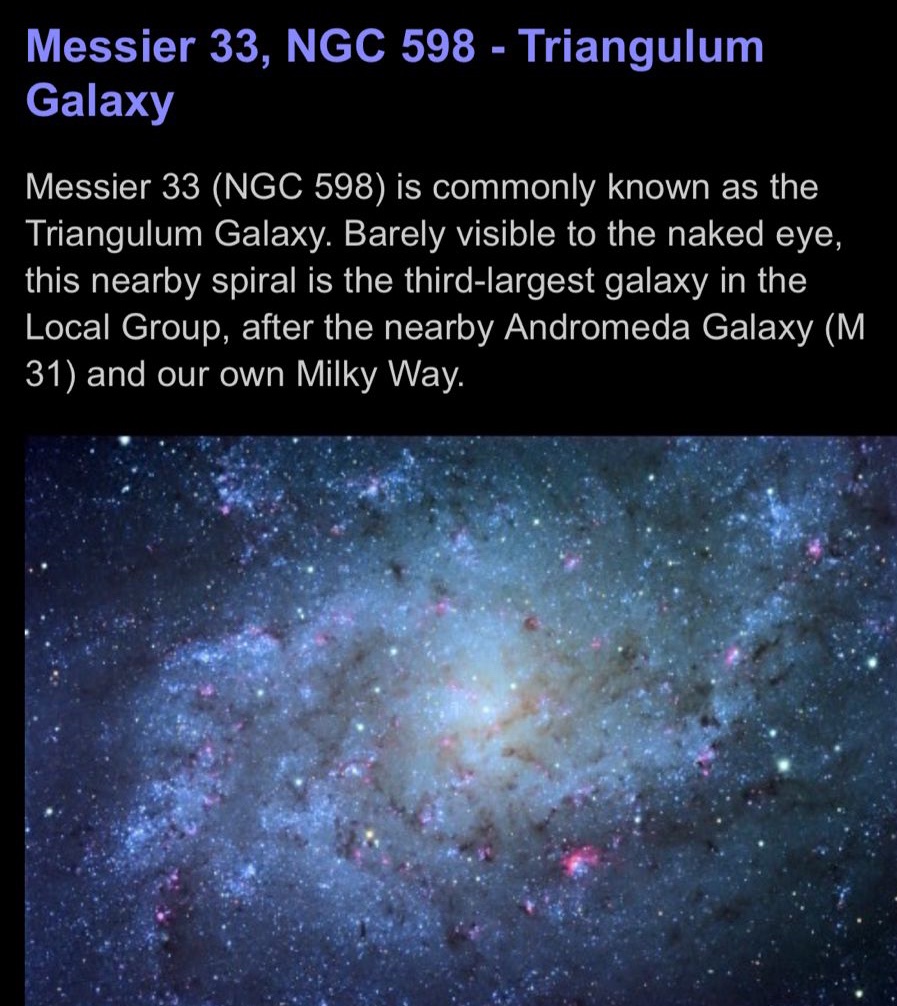
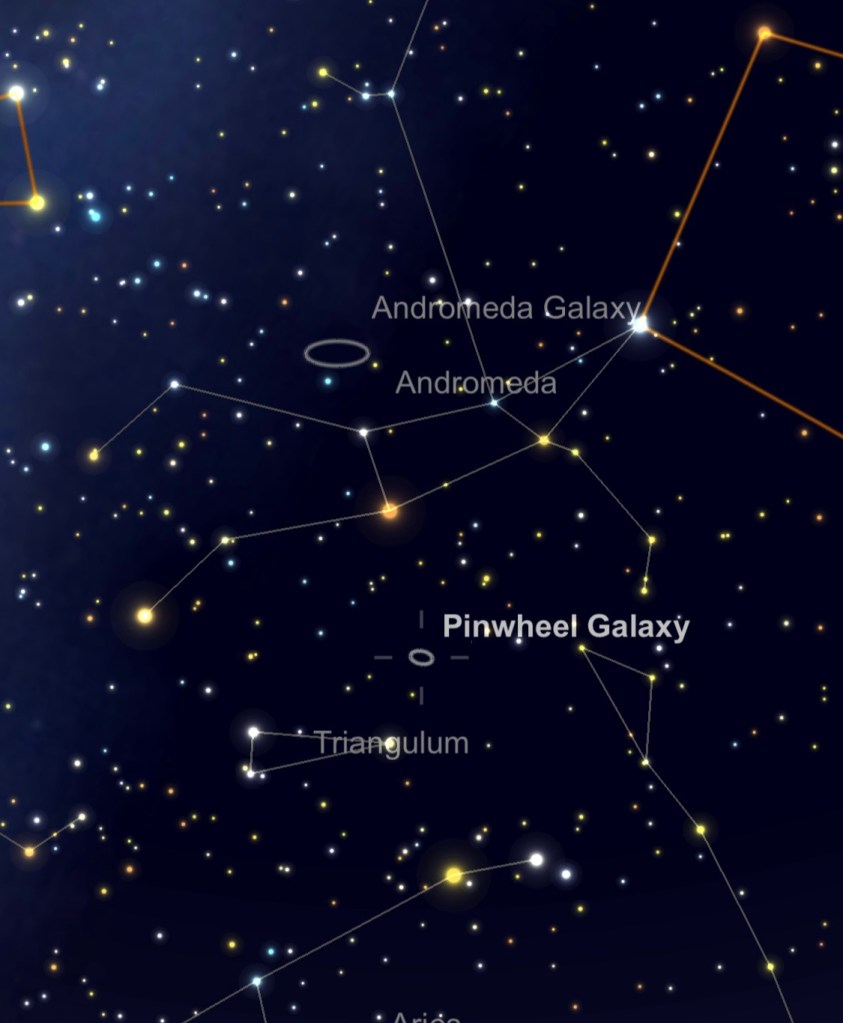
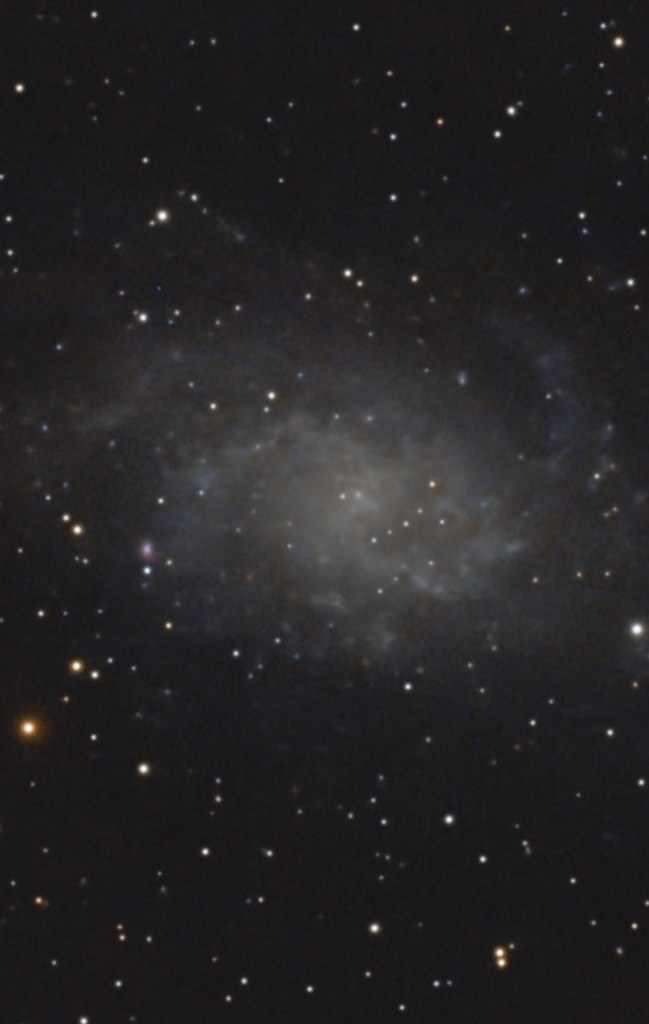
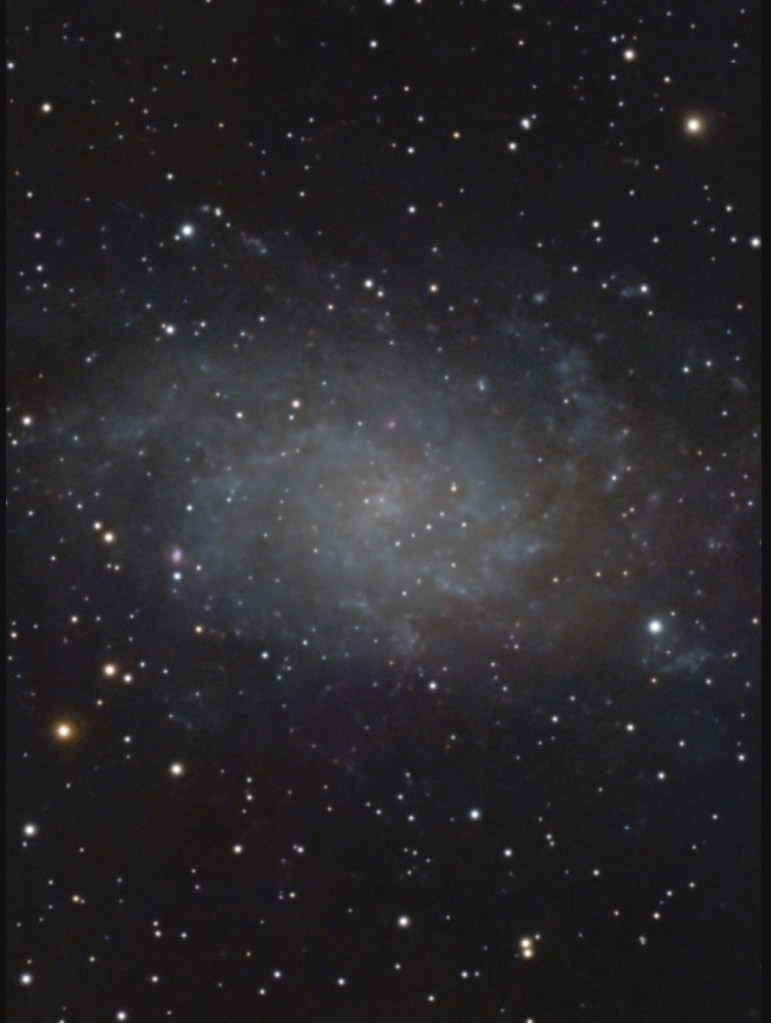
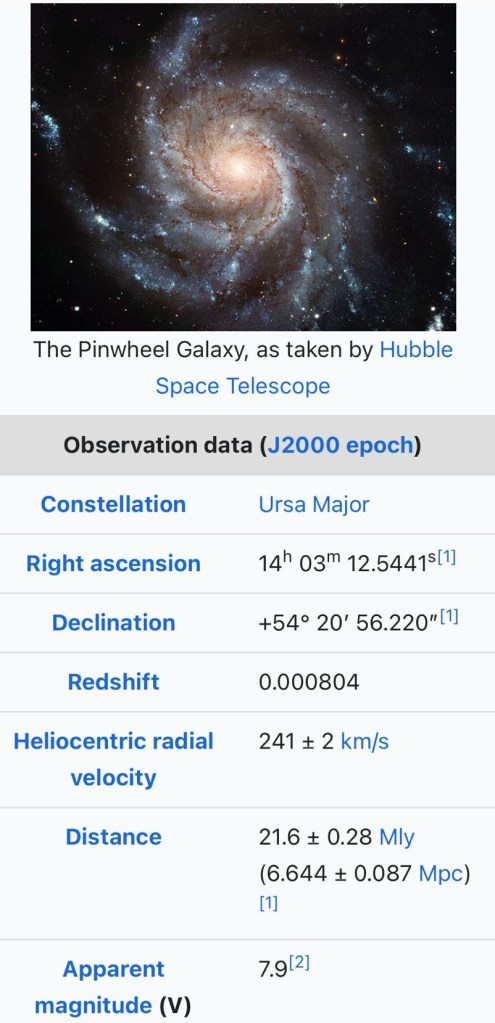
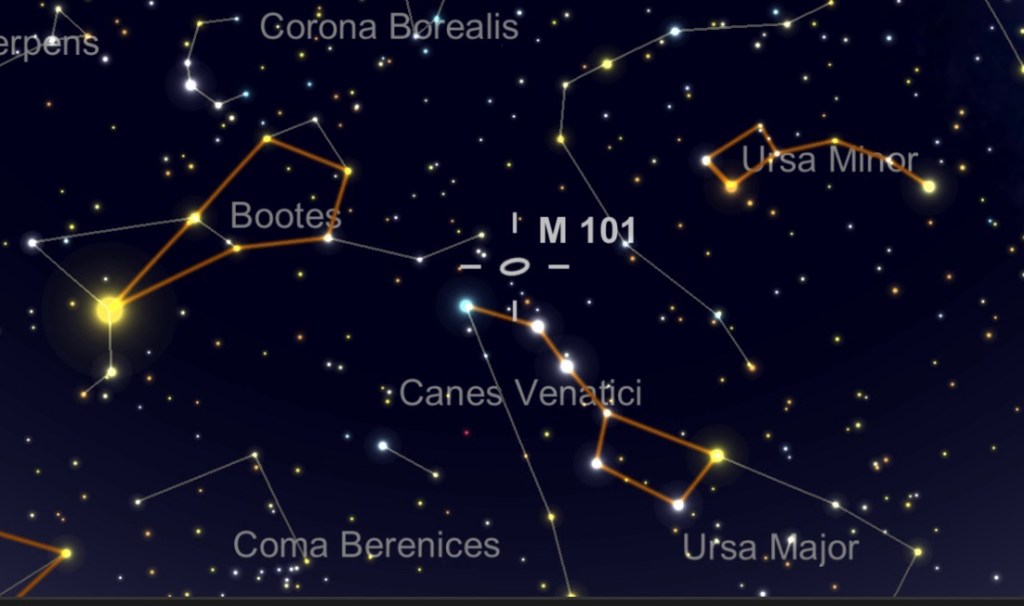
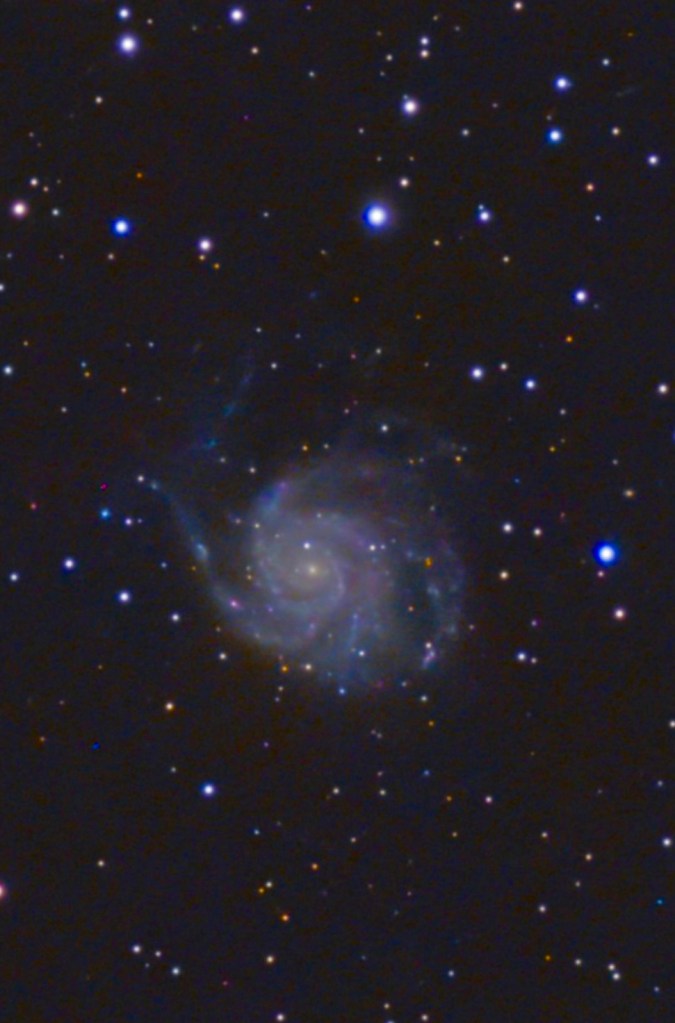
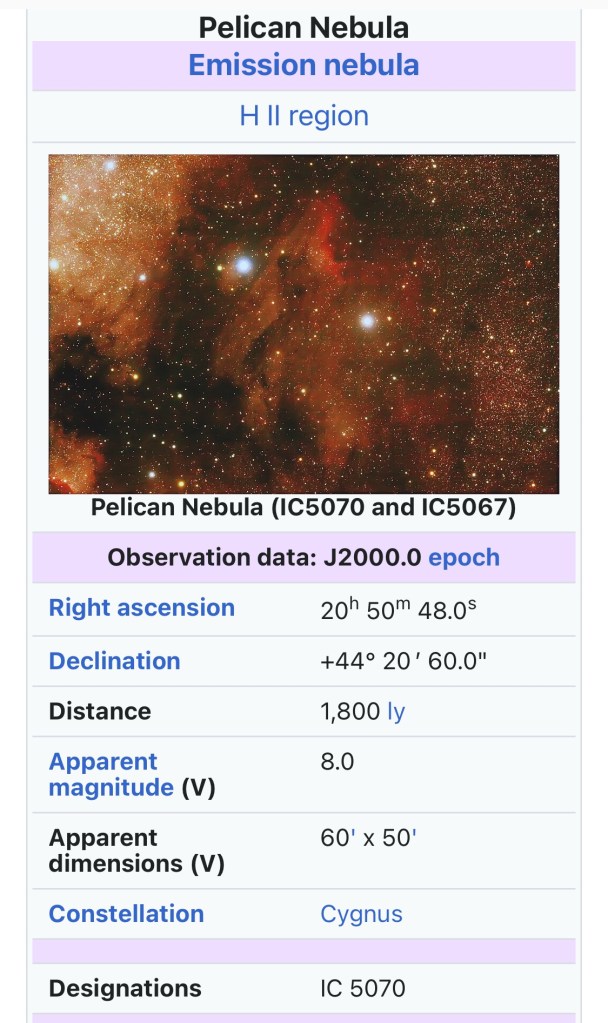
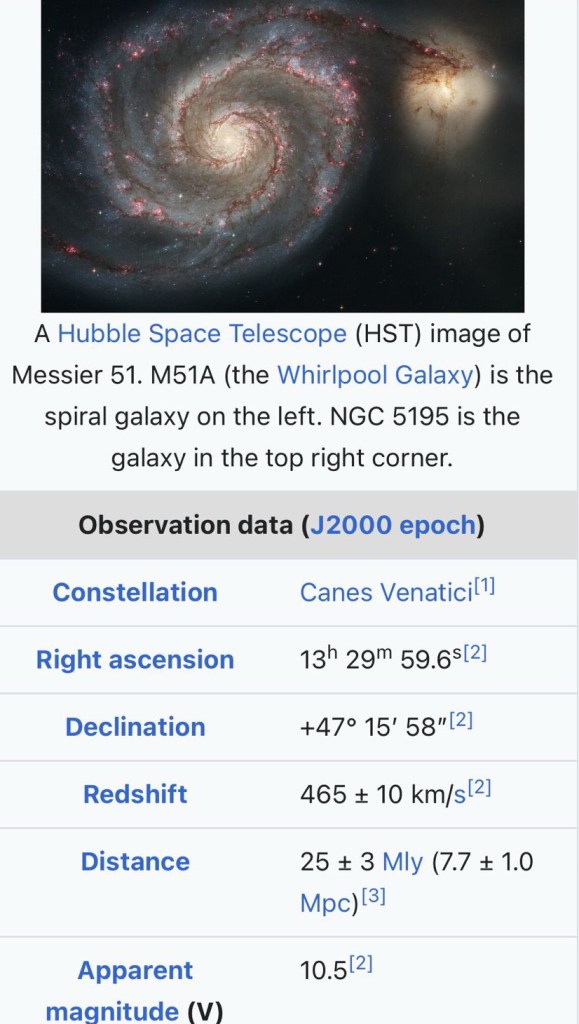
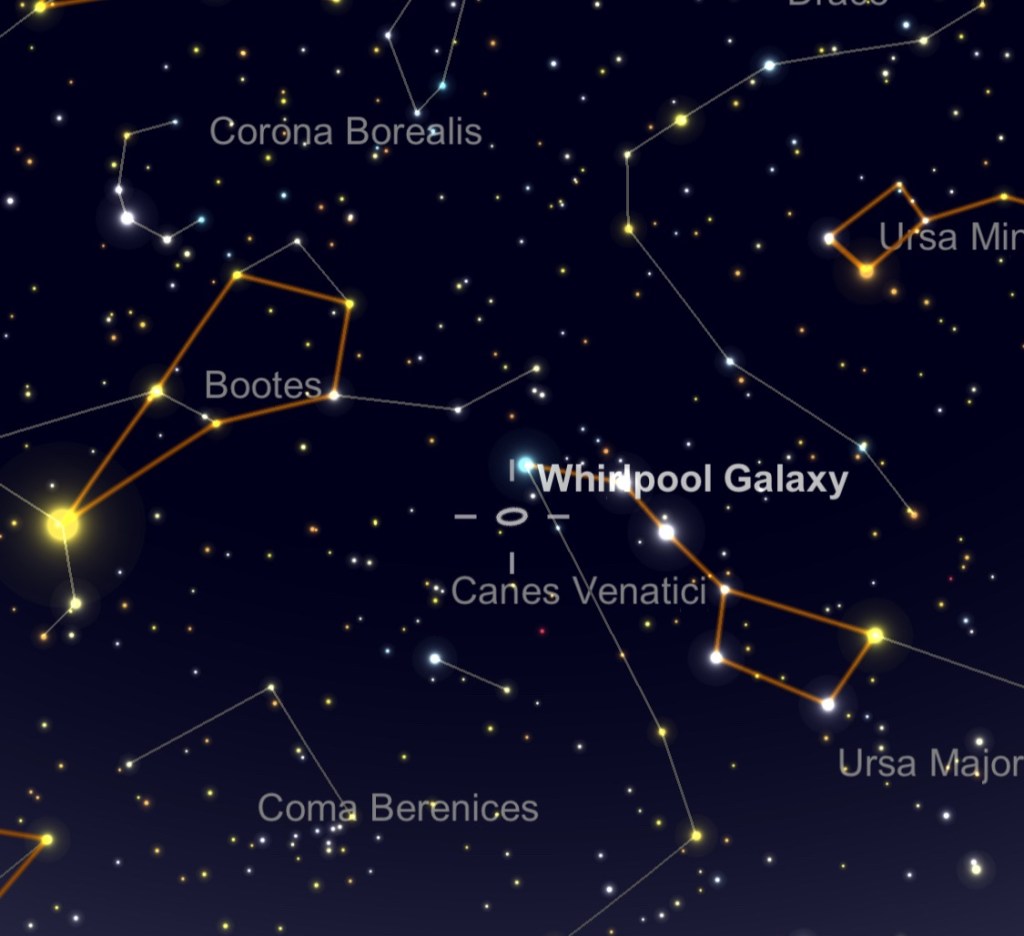
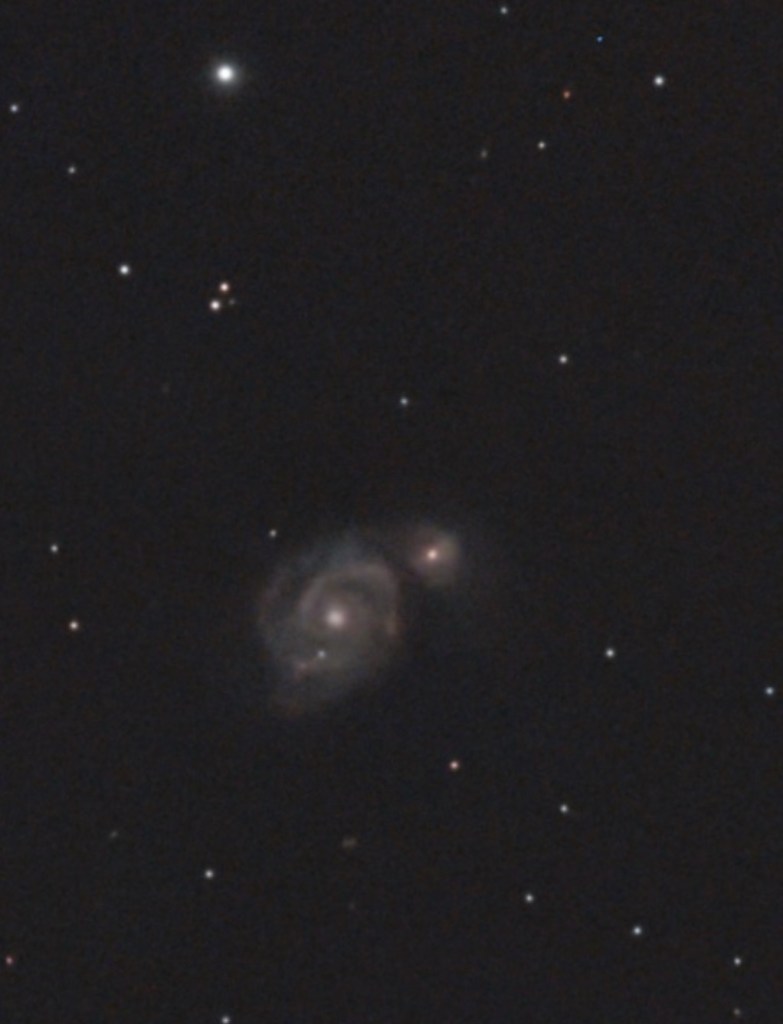
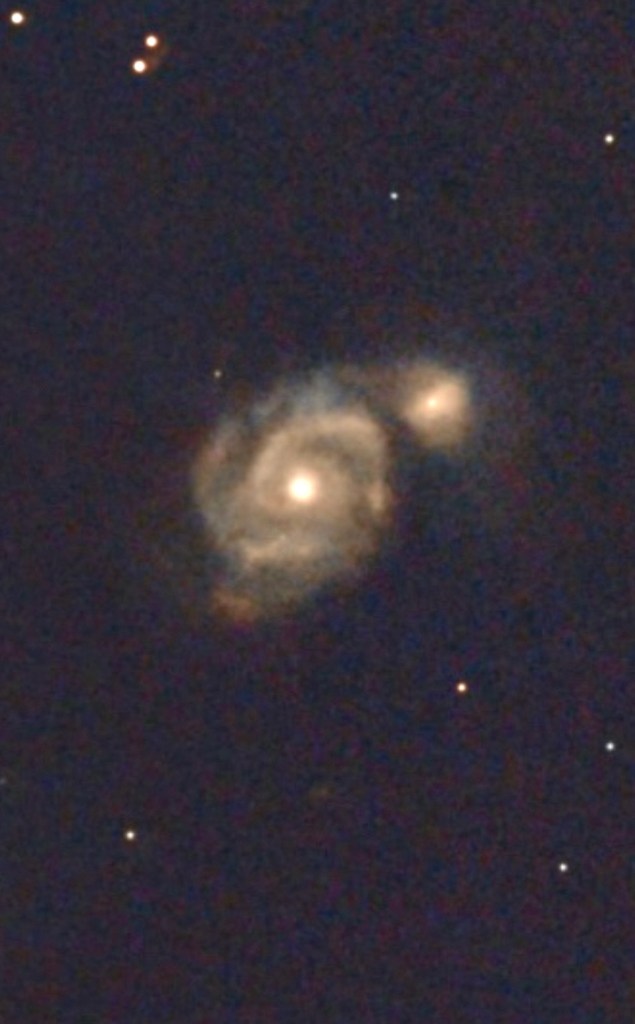
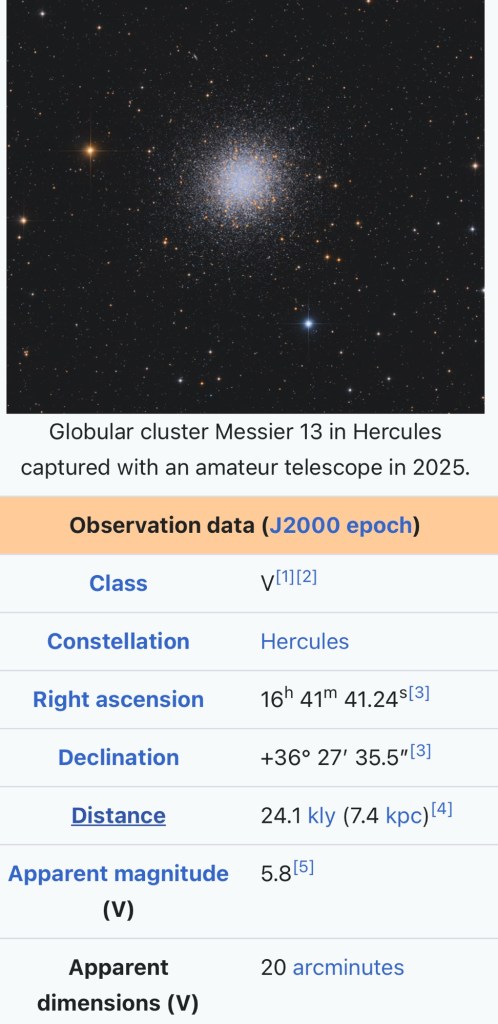
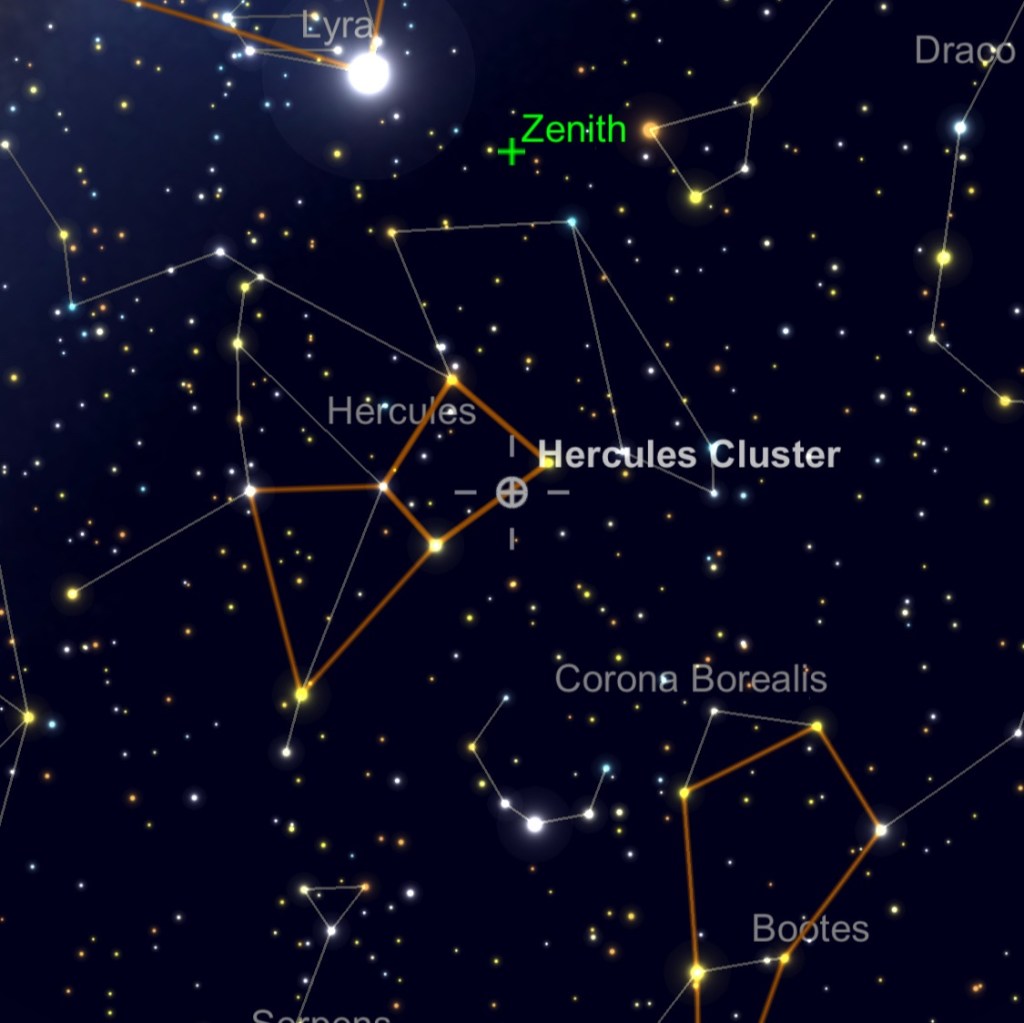
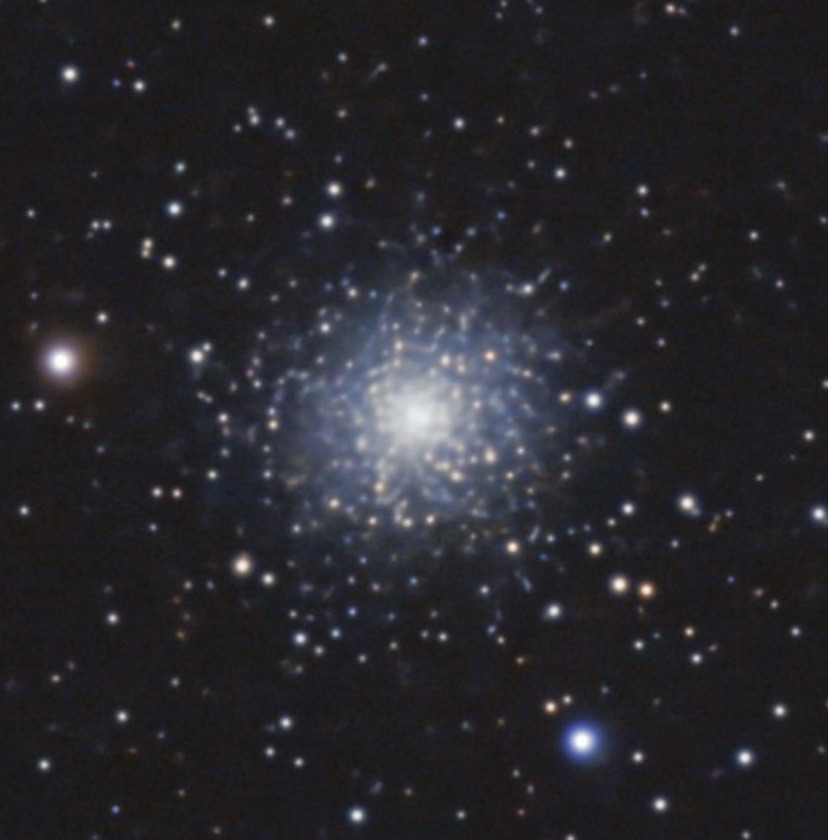
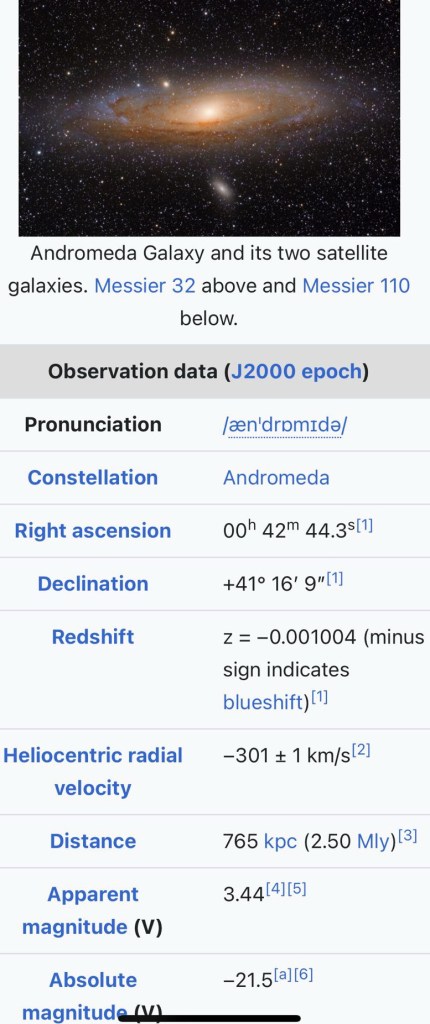
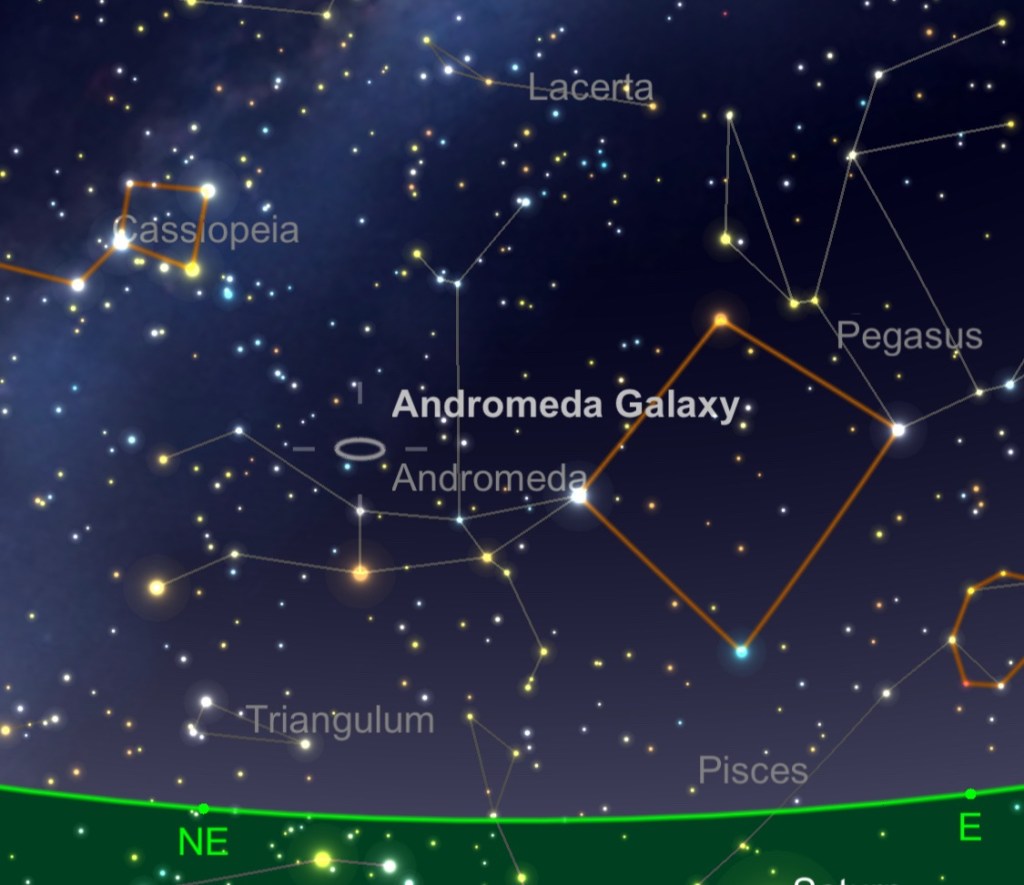
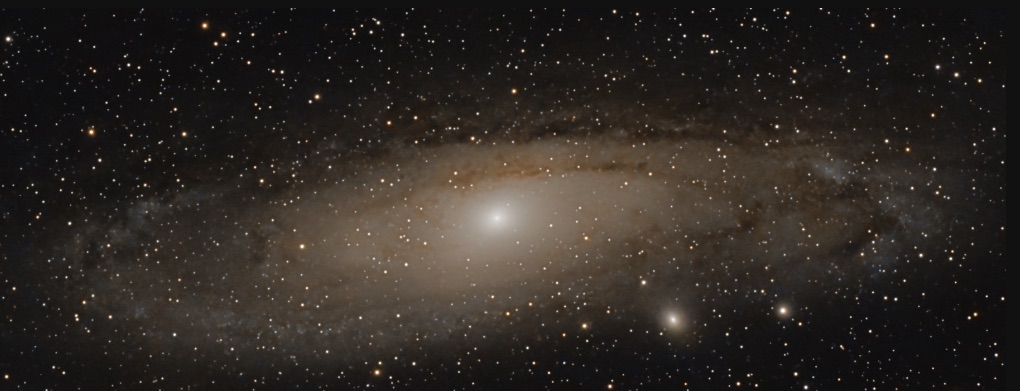
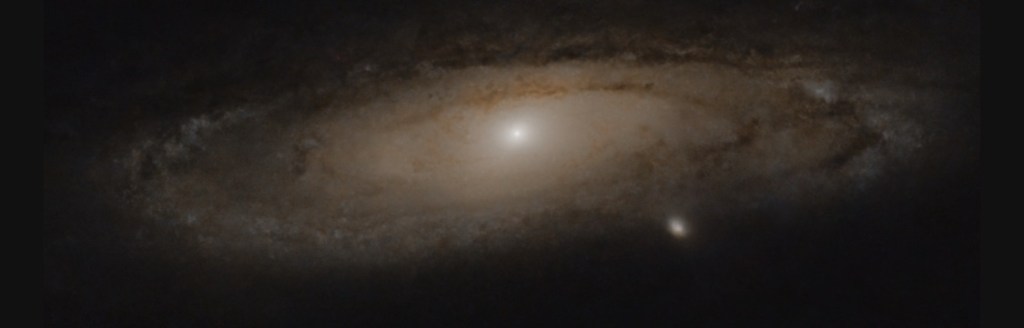
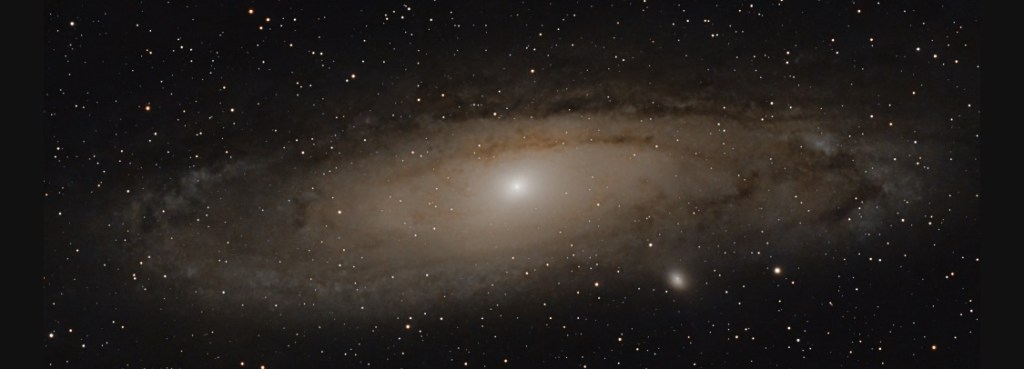
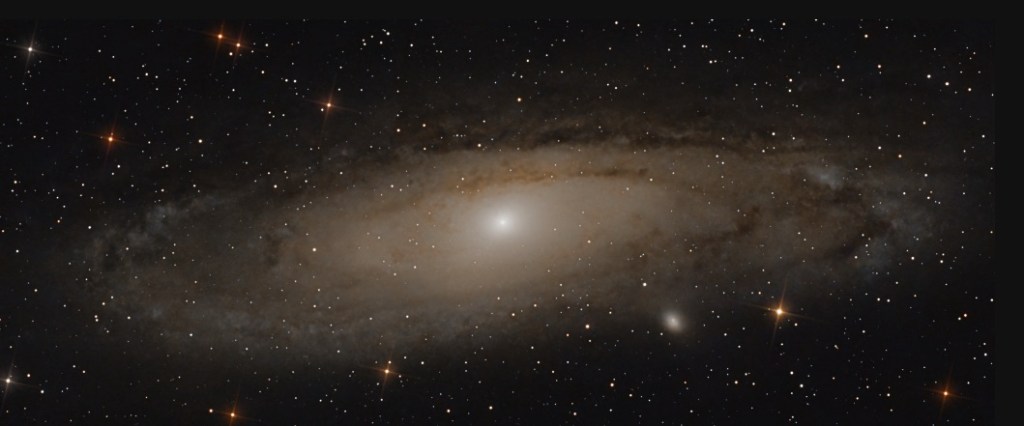
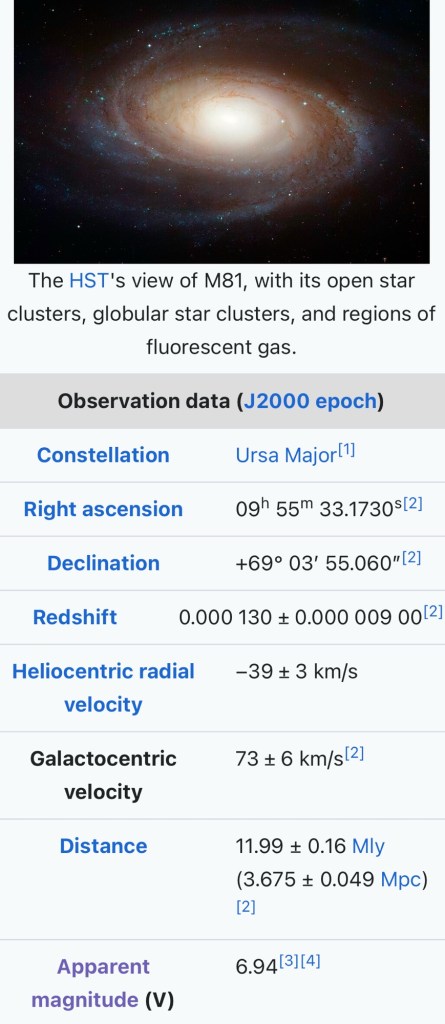
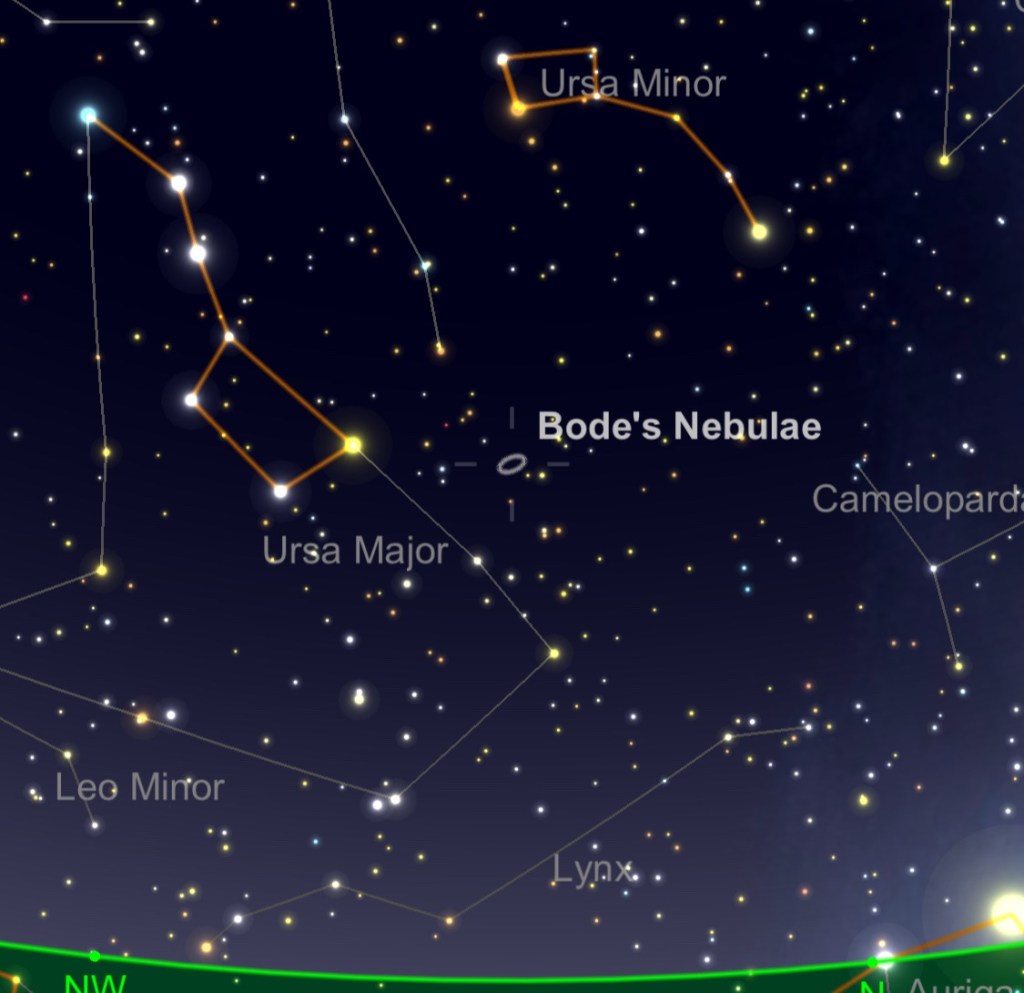
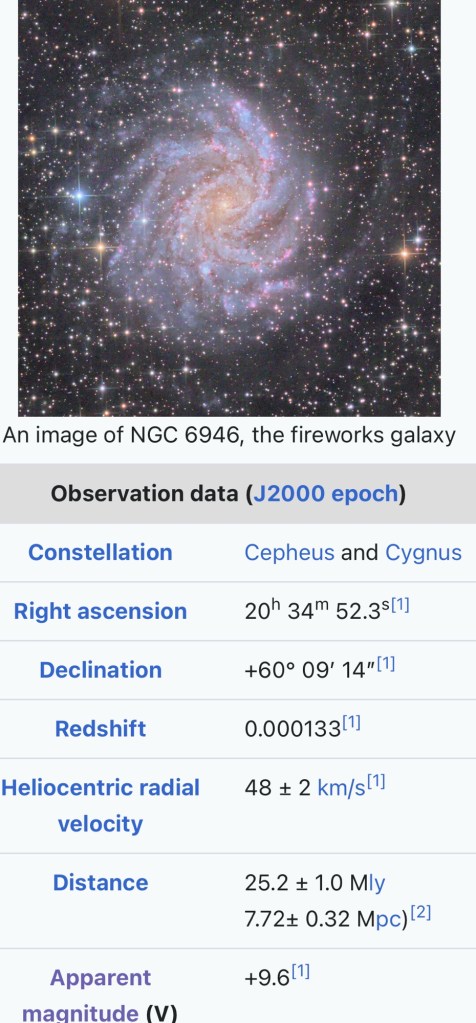
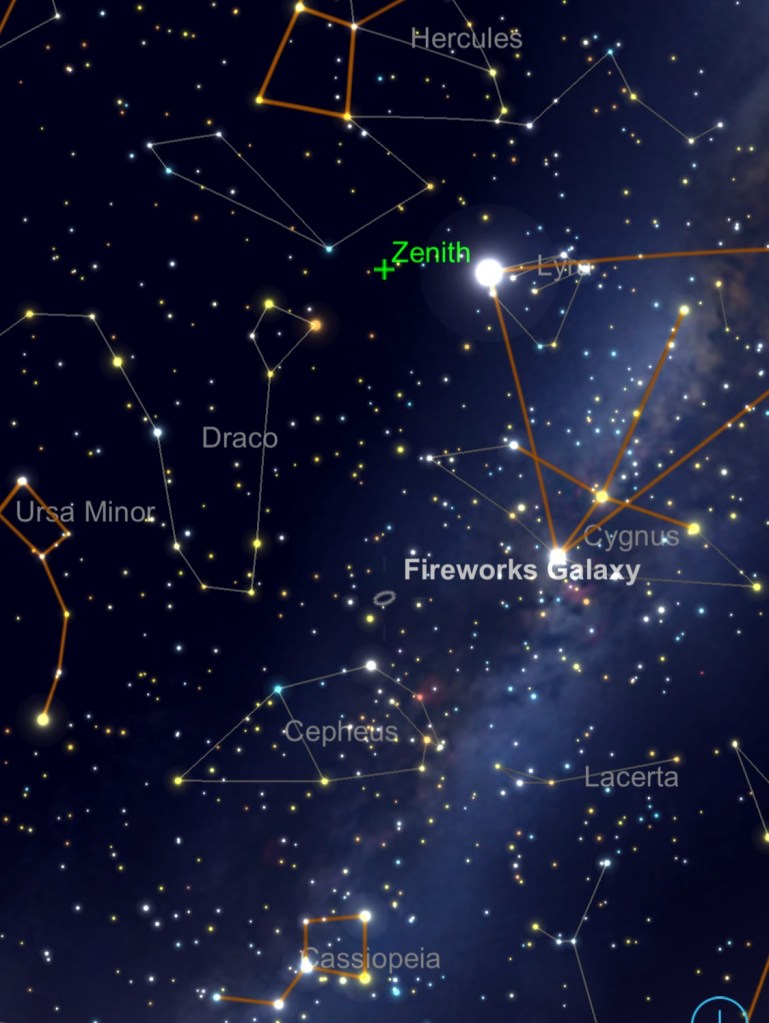
The following sections introduce each target I’ll be trying to acquire. First in each section is an image introducing each targets attributes (from Wikipedia). I’m trying to get a better understanding of what the apparent magnitude of an object means in terms of length of observation required. The next image maps the location of the target using the SkyPortal app. After that will (hopefully!) be my own images.
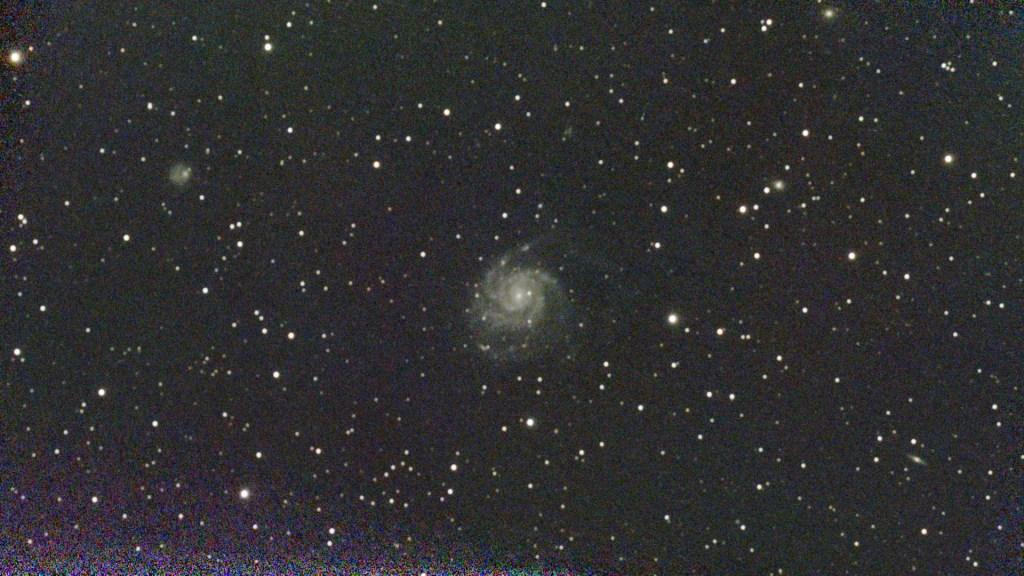
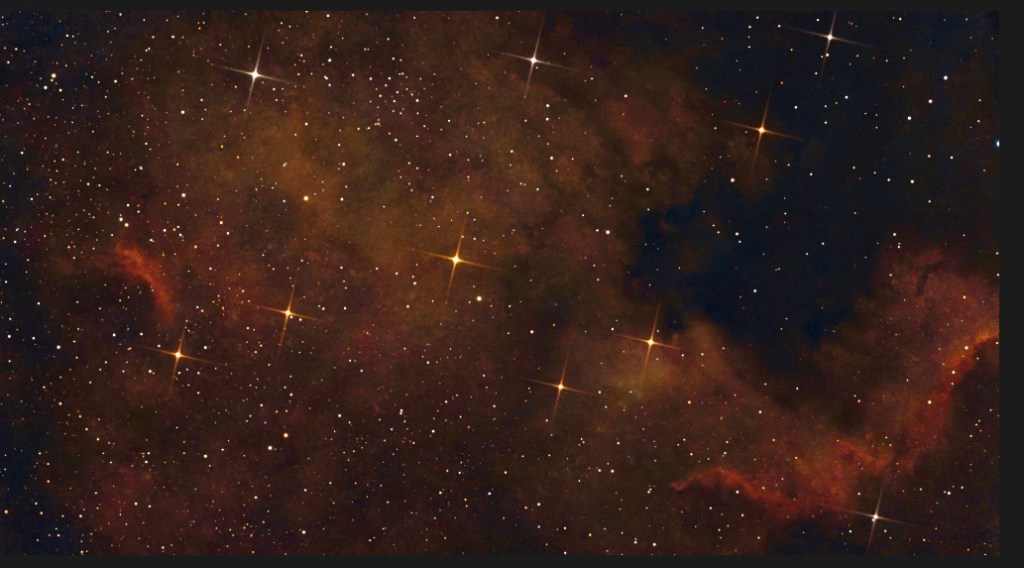
I have megastacked several nights data for both the Pinwheel Galaxy (M201) and the North American Nebula (which I fancied up with a simple cross spike star effect from Stellar studio). The difference megastacking multiple 90 minute sessions makes in an image cannot be overemphasized!
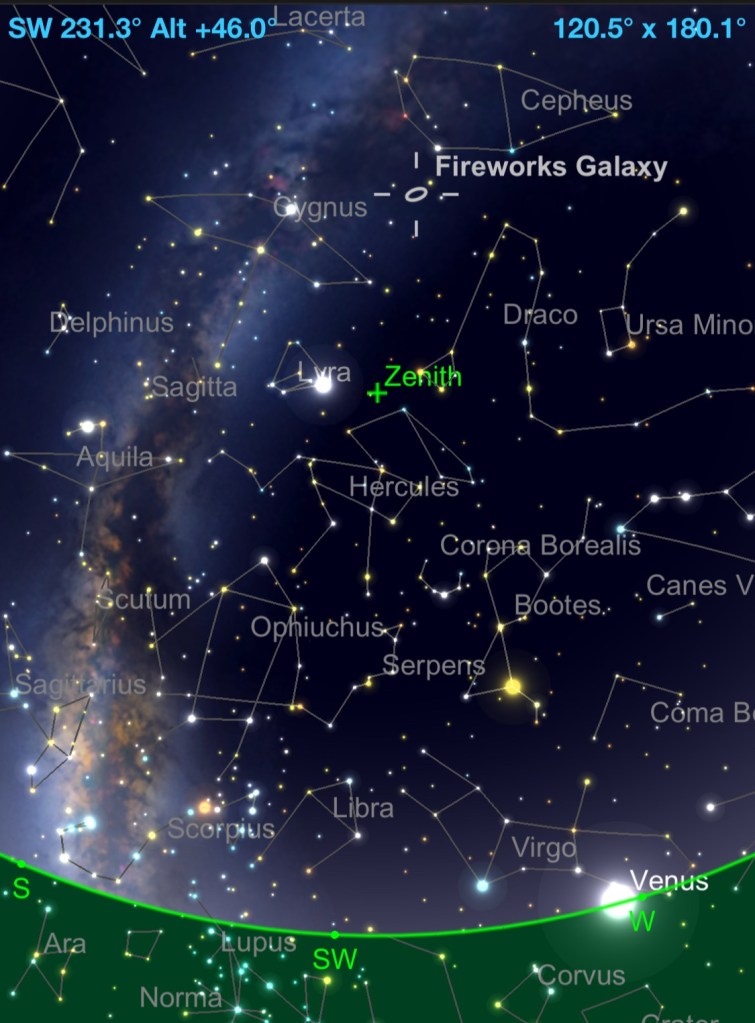
Target 1: M101 – Pinwheel Galaxy

Target 2: C20 – North American Nebula
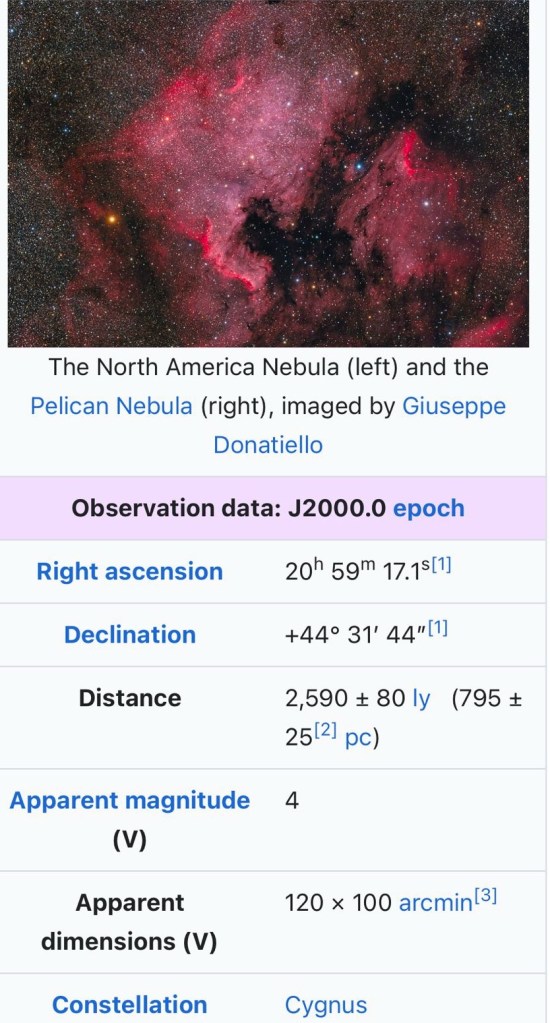

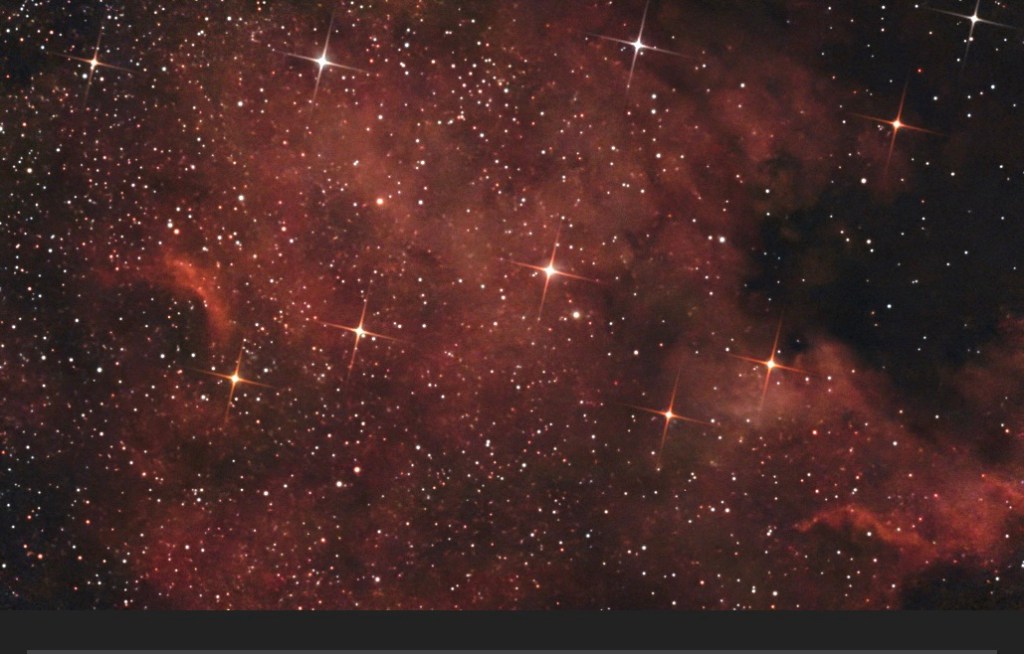
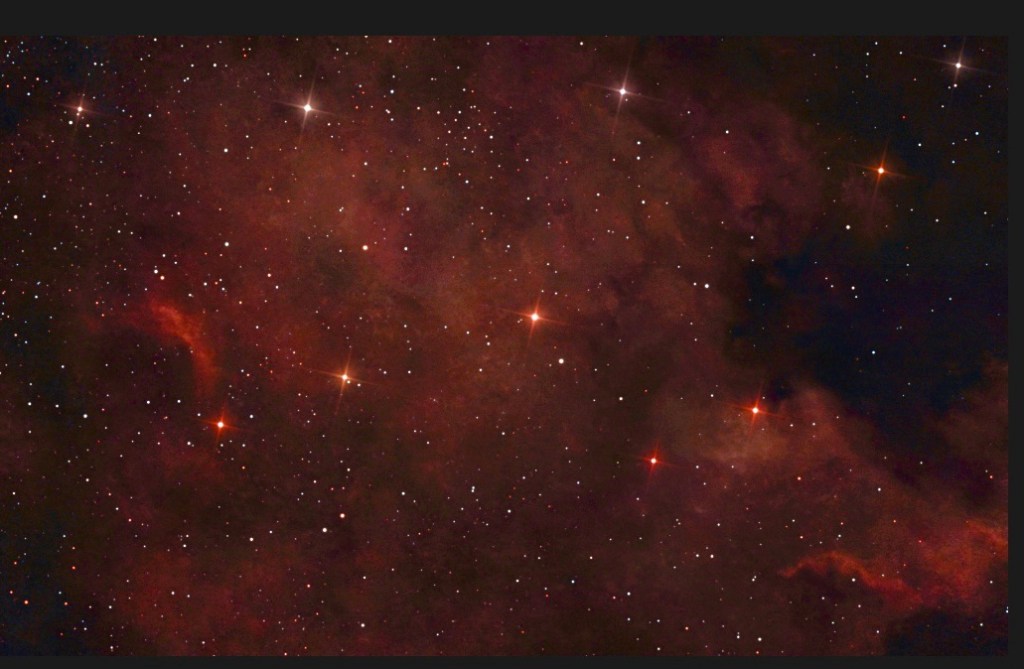
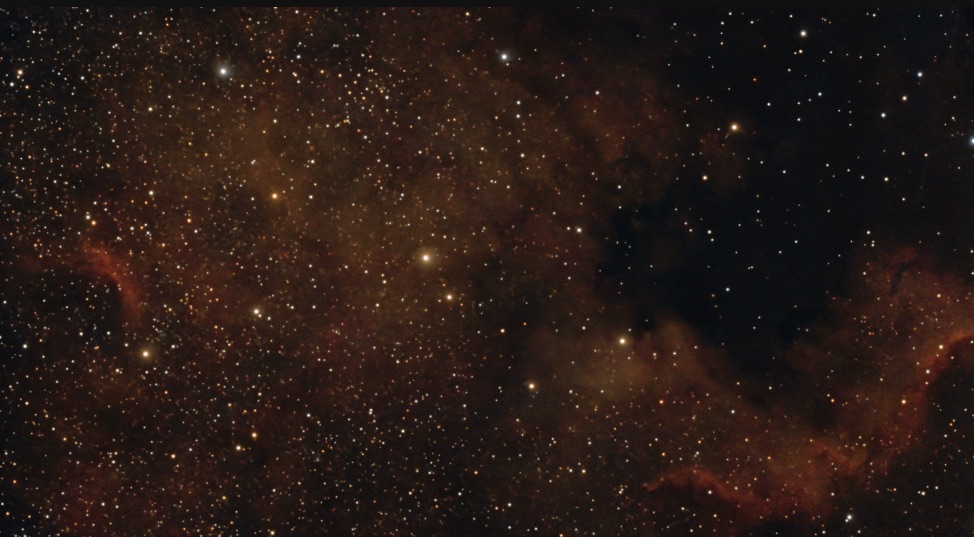
Target 2a: Pelican Nebula
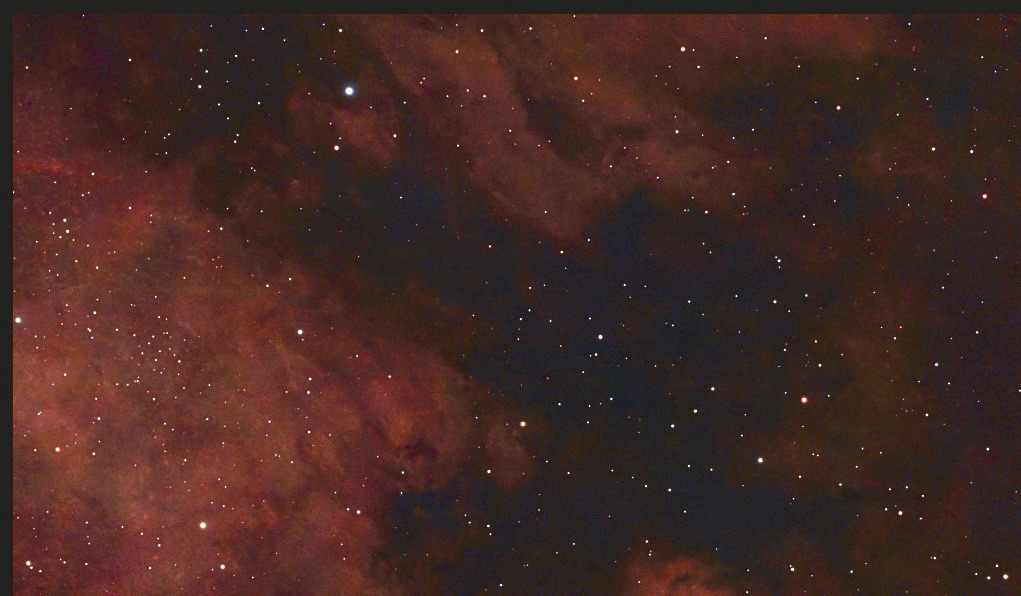
Target 3: M51 – Whirlpool Galaxy
Target 4: M13 – Hercules Cluster
Target 5: Andromeda
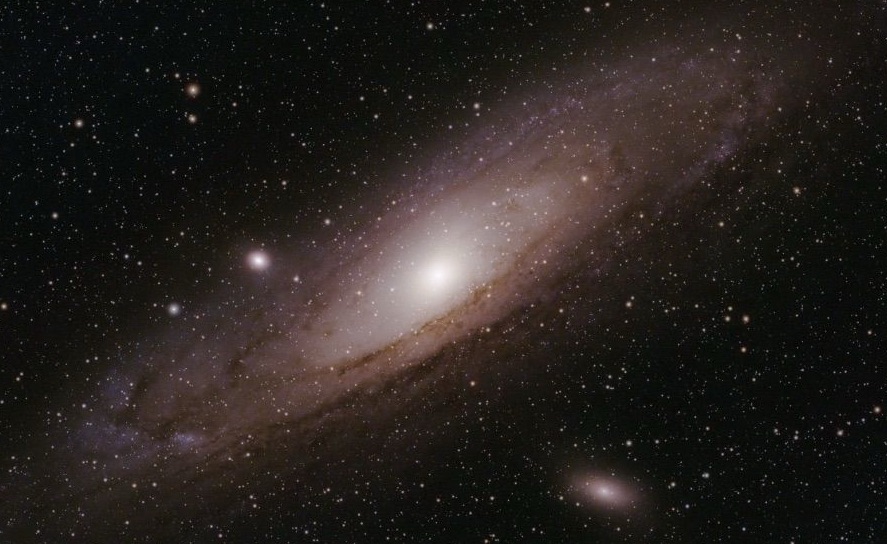
Target 6: Pleiades
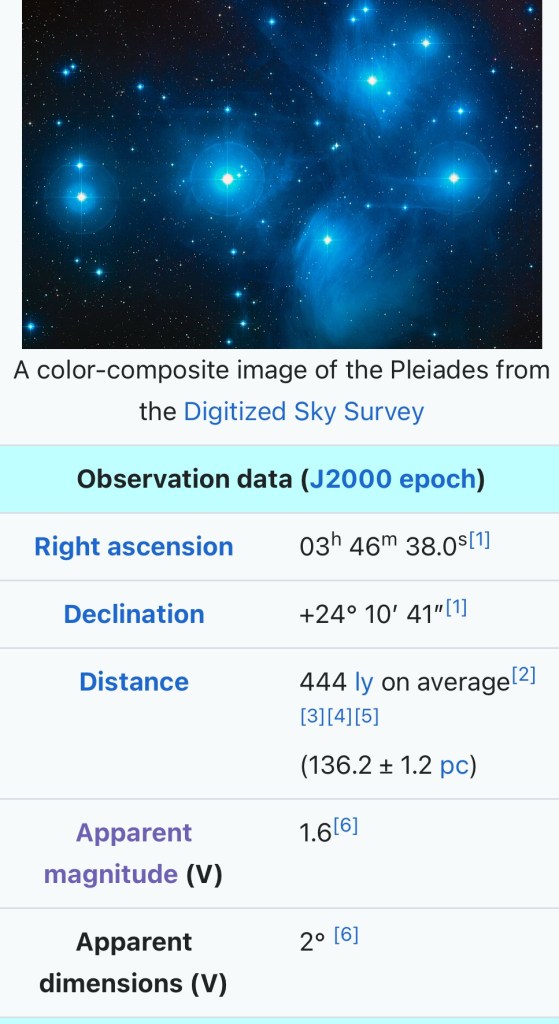
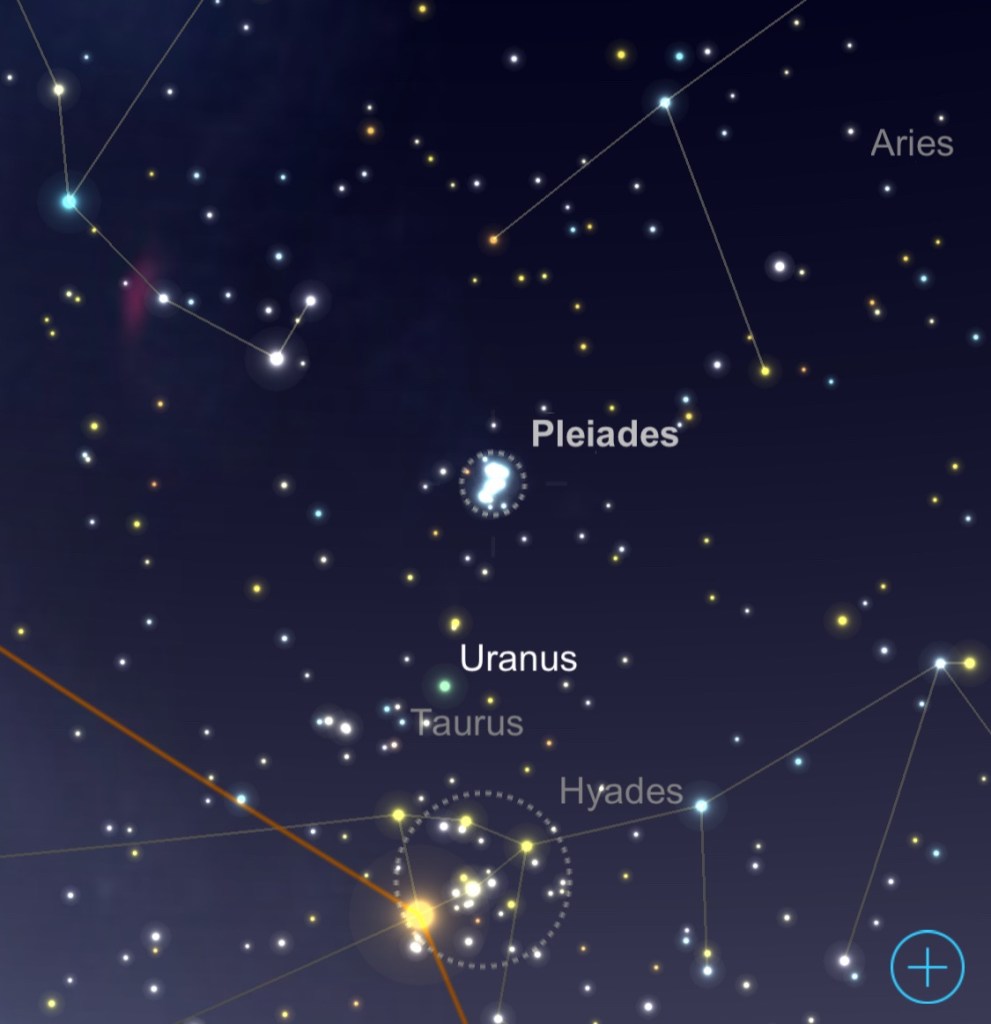
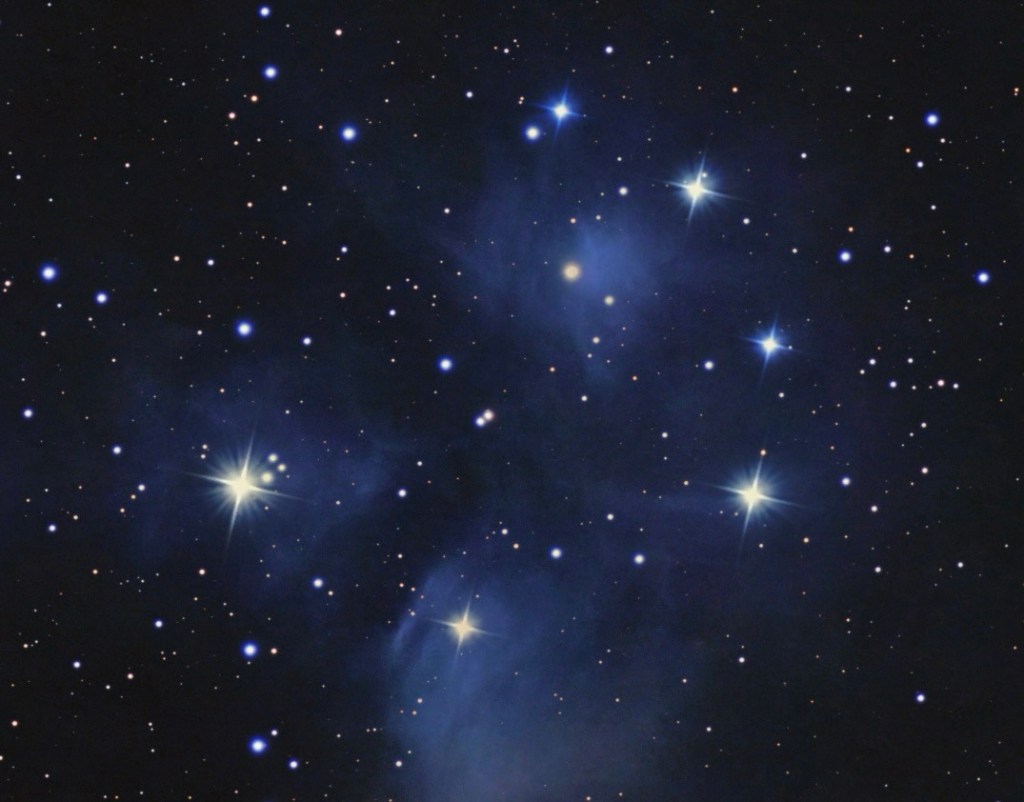
Target 7: M81 – Bode’s Nebulae
Target 8: Fireworks Galaxy
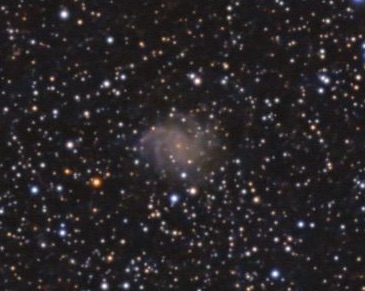
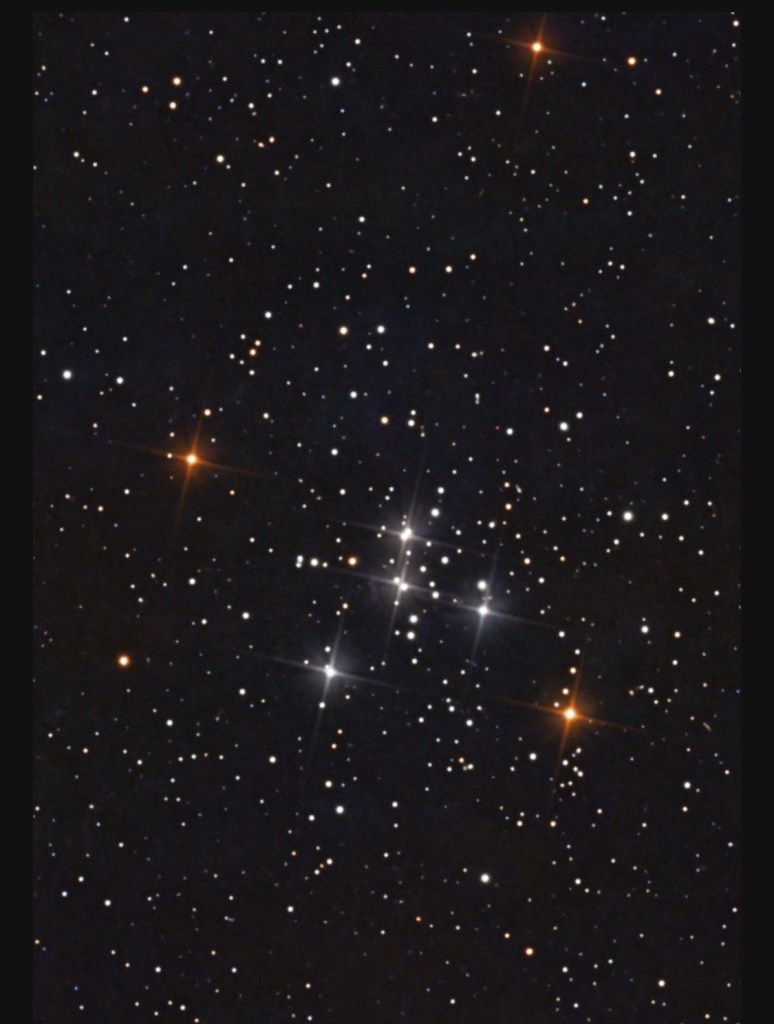
Target 9: M34
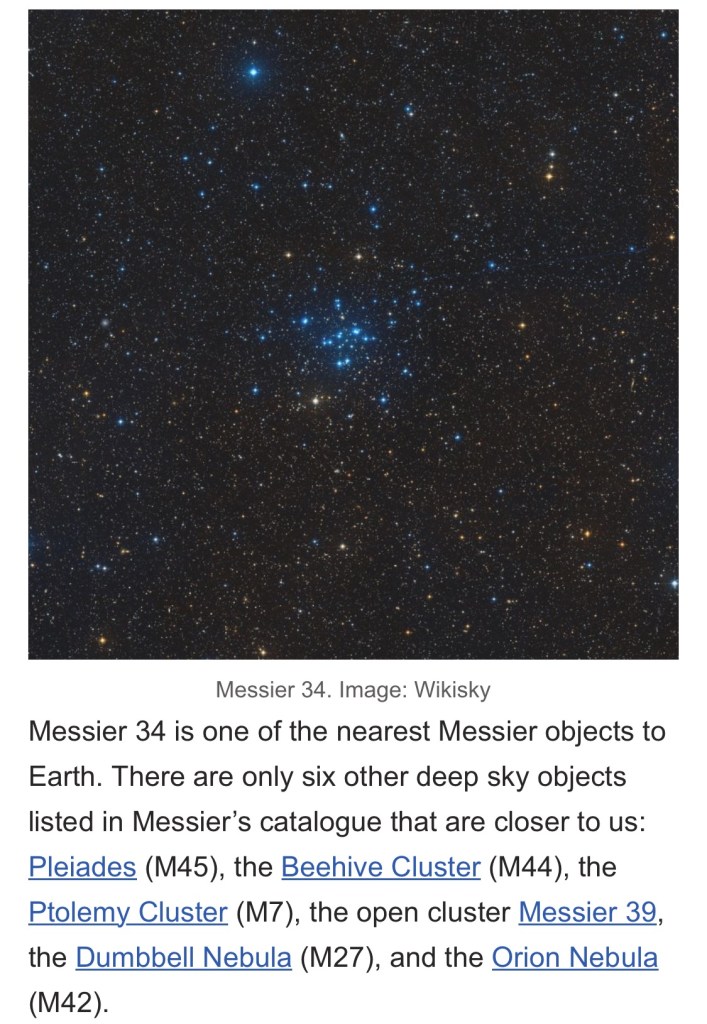
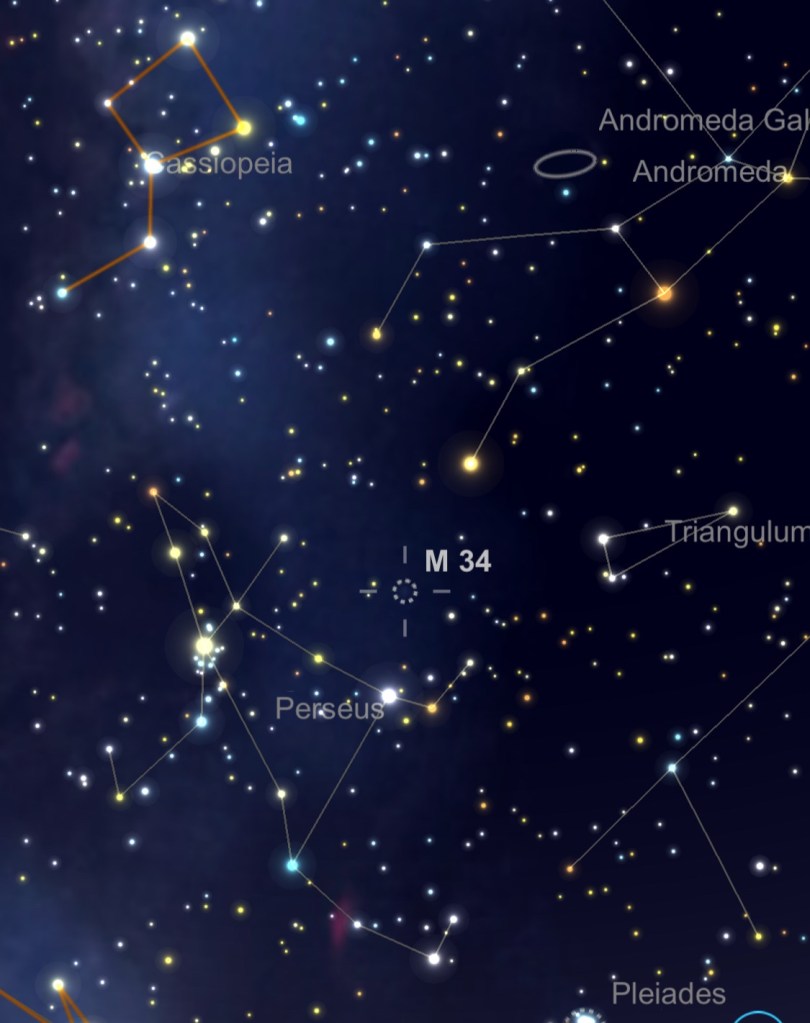
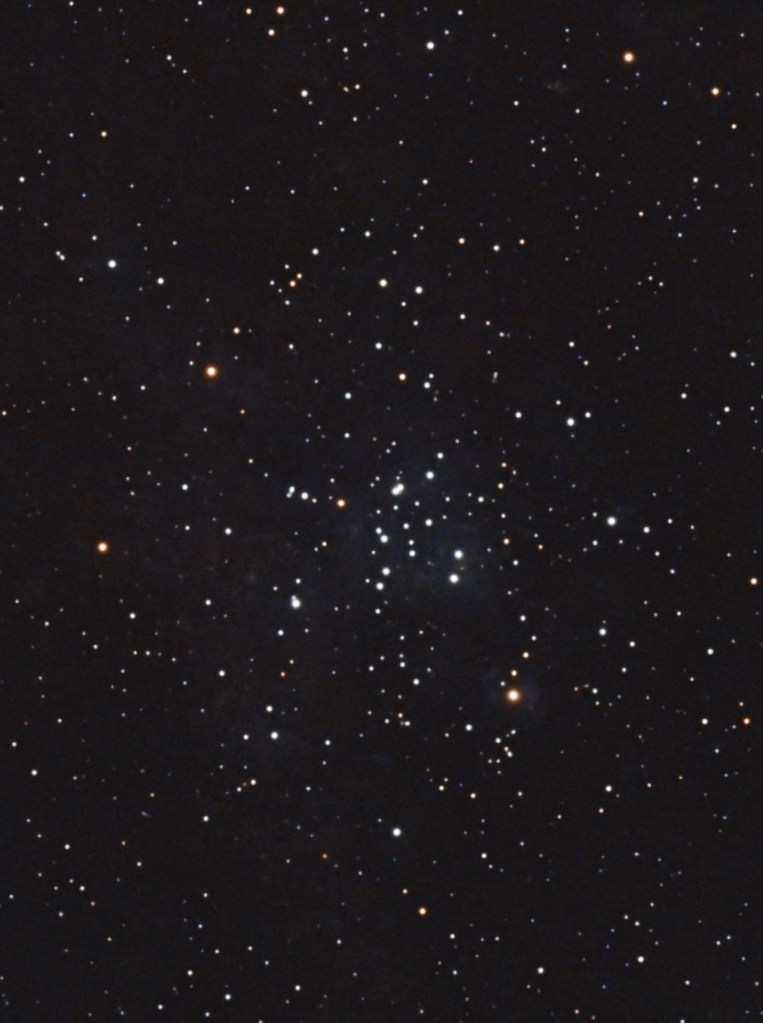
Target 10: M33 Triangulum Galaxy (aka Pinwheel Galaxy)